
Headlines
2027 Elections: Kano police assure robust security, urge media to counter fake news

Nasiru Yusuf Ibrahim
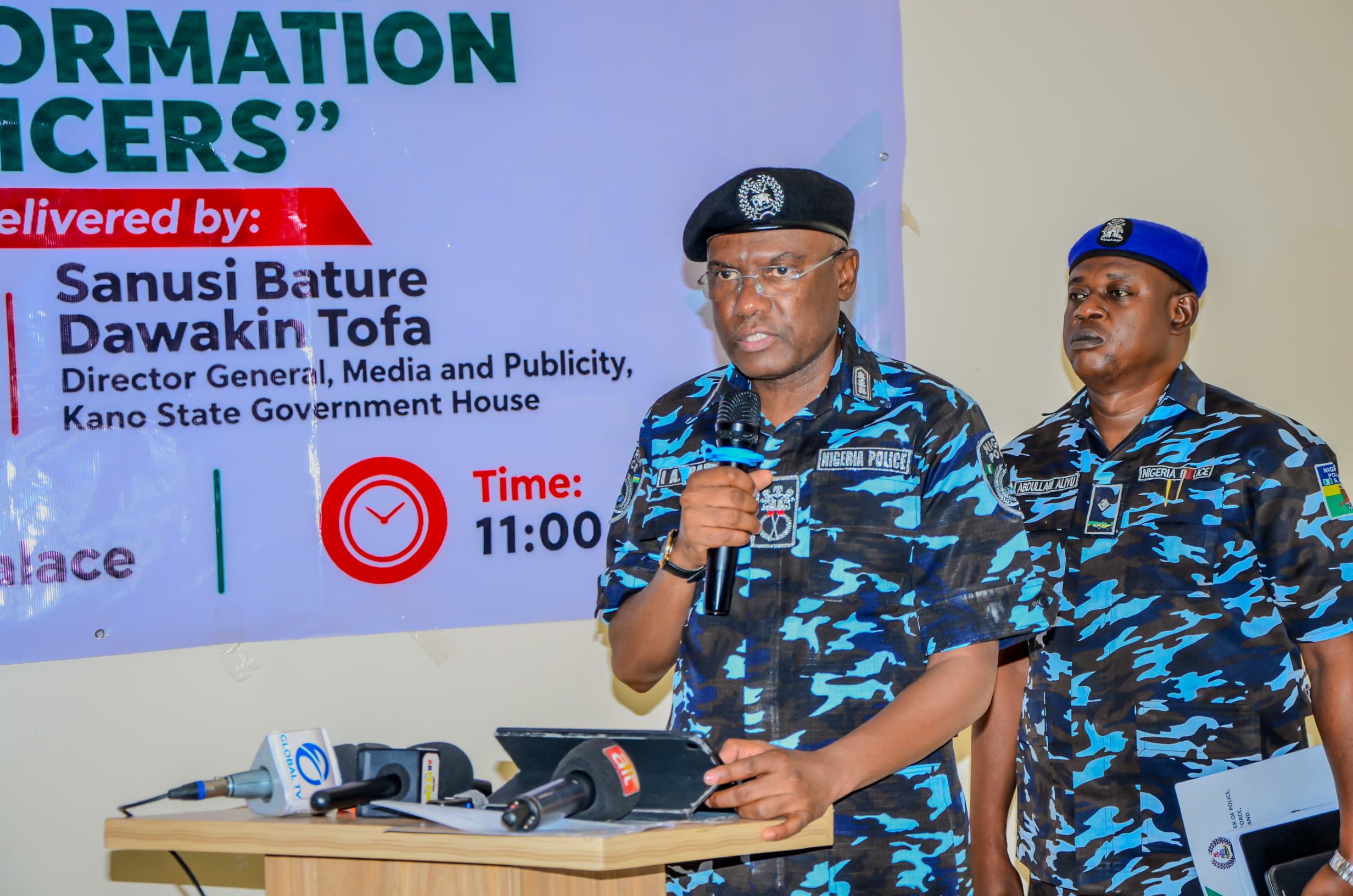
The Kano State Police Command has assured residents of robust security before, during and after the 2027 general elections, urging information officers and media practitioners to prioritise accuracy and professionalism in reporting electoral processes.

KANO FOCUS reports that the Commissioner of Police, Kano State, CP Ibrahim Adamu Bakori, gave the assurance on Saturday at the 2026 Annual General Meeting (AGM) of the Nigerian Institute of Public Relations (NIPR), Kano State Chapter, held at Tahir Guest Palace, Kano.
Bakori, who attended the event as Special Guest of Honour, spoke on the theme, “Managing Election Results: The Role of Information Officers.”
In a press release issued by CSP Abdullahi Haruna Kiyawa, Police Public Relations Officer, Kano State Police Command, Bakori described the theme as timely and strategic, given the forthcoming 2027 general elections, stressing that the management of electoral information was critical to maintaining peace, public confidence and democratic stability.
The commissioner said elections should be viewed as a process rather than a one-day event, adding that information played a vital role in shaping public perception and influencing the conduct of stakeholders.
Participants at NIPR AGM
“Mismanaged information breeds rumour, incites violence and undermines public trust. Well-managed information, on the other hand, builds confidence, promotes peace and strengthens democracy,” he said.
Bakori noted that information officers were not merely responsible for disseminating press releases but also served as custodians of accurate information and a first line of defence against misinformation, disinformation and fake news.
He particularly urged them to exercise caution when election results were being awaited, collated or announced, warning that irresponsible communication could heighten tensions and threaten public order.
On security preparations, the police commissioner said the command, in line with the policing vision of the Inspector-General of Police, IGP Olatunji Rilwan Disu, had begun stakeholder engagements, training and sensitisation programmes involving youth groups, political actors and media practitioners.
Participants at NIPR AGM
He added that the command would sustain intelligence-led operations and collaboration with other security agencies to tackle hate speech, political thuggery, fake news and other forms of communication capable of undermining peaceful elections.
The commissioner urged participants to develop a clear and ethical framework for managing election results, emphasising accuracy over speed, responsibility over sensationalism, and national interest over personal or partisan interests.
Earlier, Prof. Sule Yau Sule delivered the opening remarks, highlighting the responsibilities of information officers in managing election results and stressing the importance of professionalism, ethical conduct and national interest.
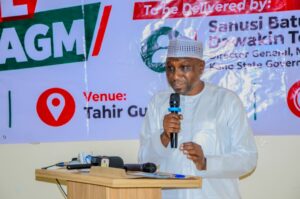
Prof. Sule Yau Sule
A lead paper on the theme was presented by the Director-General of the Media and Publicity Directorate, Government House, Kano, Sunusi Bature Dawakin Tofa, who was represented by the Chief Press Secretary, Alhaji Mustafa Muhammad.
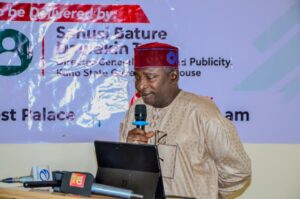
Alhaji Mustafa Muhammad
The paper examined ethical communication and the need to counter misinformation that could trigger electoral violence.
In his goodwill message, the Resident Electoral Commissioner of the Independent National Electoral Commission (INEC) in Kano State, Ambassador Abdu Abdu Zango, assured participants of the commission’s preparedness to conduct free, fair, credible and transparent elections in 2027.
He said INEC would pursue improved technology and stronger stakeholder engagement to strengthen the electoral process.
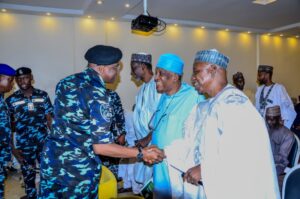
The AGM attracted several dignitaries and featured discussions on improving collaboration among security agencies, INEC, government institutions and the media to ensure peaceful elections.





Ibrahim Khalil
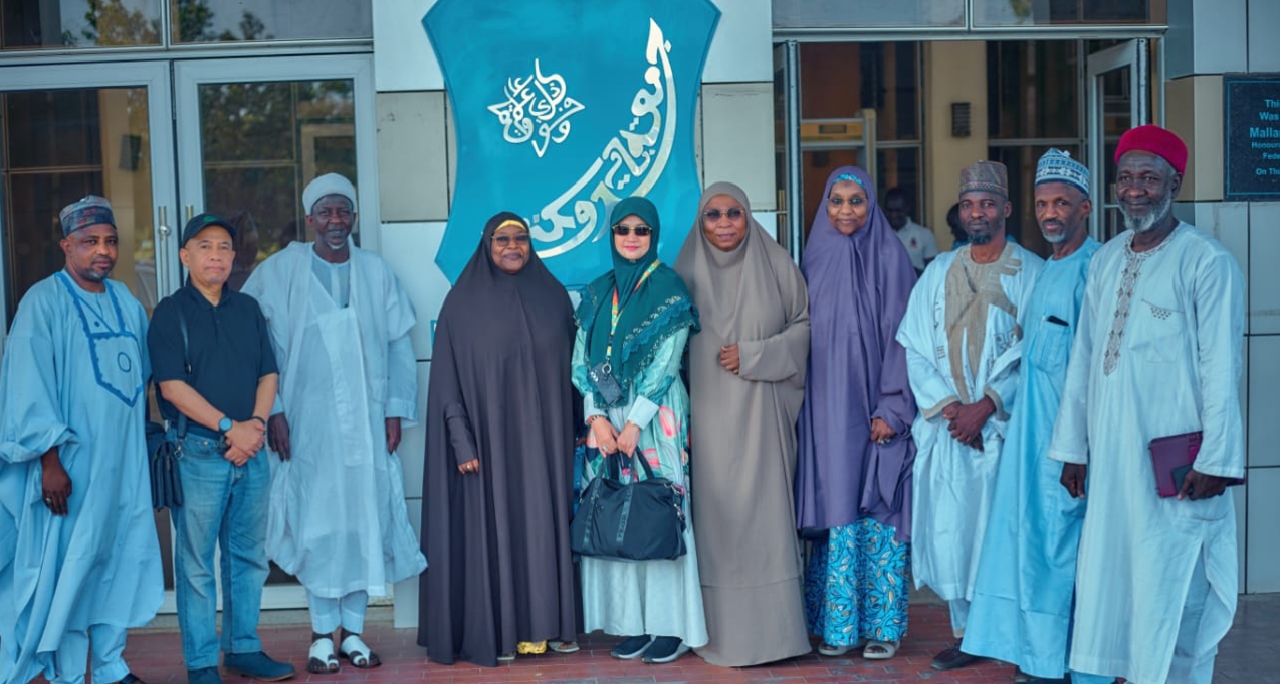
An Indonesian Islamic scholar and philanthropist, Dr Umi Waheedah Bint Abdul Rahman, has called for the adoption of a sustainable Waqf-based model to transform Almajiri education, tackle poverty and equip vulnerable children with vocational and entrepreneurial skills.
KANO FOCUS reports that Waheedah made the call on Friday, while delivering a public lecture titled, “Sustainable Community Empowerment through Waqf: Experiences, Lessons, and Prospects,” at the CBN Centre of Excellence, Bayero University, Kano.
According to a statement by Bayero University Kano’s Director of Public Affairs, Lamara Garba, the scholar shared her experience of establishing Islamic boarding schools in Indonesia that combine free education with vocational training, entrepreneurship and income-generating investments.
She explained that Waqf, an Islamic charitable endowment, could serve as a sustainable economic mechanism for financing education, creating employment and reducing poverty when supported by productive investments and effective management.
Participants at the occasion
Waheedah recalled that she and her late husband established the free Islamic boarding school initiative in 1998 during a period of economic and social hardship, with the objective of providing disadvantaged children with access to education and essential social services.
The schools provide free education, food, accommodation and healthcare, offering a model for addressing multiple dimensions of poverty while protecting the dignity and future of vulnerable children.
According to her, the initiative had expanded to accommodate approximately 23,000 students by 2010, covering levels from early childhood education to university. Following her husband’s death that year, the programme was streamlined to serve about 15,000 students.
She said taking over the institution presented enormous financial challenges, including accumulated debts and unpaid staff salaries.
To sustain the schools and meet outstanding obligations, Waheedah disclosed that she sold her personal jewellery and vehicles while preserving the Waqf assets that supported the institution.
The experience, she said, reinforced the importance of protecting endowed assets while managing them productively to generate sustainable income.
The institution’s investments include rice fields, rice-processing factories, coffee farms, timber plantations, a bread factory and other agricultural and commercial ventures.
She disclosed that the organisation, which initially operated 25 business units, eventually expanded to 73.
Waheedah argued that Waqf should not be regarded merely as a channel for charitable donations but as an economic system capable of generating the resources required to sustain social services over the long term.
She explained that combining Islamic endowments with social entrepreneurship, sound business management and vocational education had enabled the institution to finance educational services while equipping students with practical skills for independent living.
The model integrates agriculture, food production, energy, water management and waste recycling to reduce operating costs, generate additional revenue and provide practical learning opportunities.
Its businesses include rice processing, noodle production, soya milk manufacturing, farming, fisheries, livestock and poultry production. The organisation also operates a poultry enterprise with 10,000 laying chickens and produces animal feed to support its agricultural activities.
On environmental sustainability, the scholar explained that food waste was converted into larvae for feeding poultry and fish, while discarded plastics, eggshells, sweet wrappers and other materials were recycled into yarn, crafts, ornaments and paving blocks.
The initiative’s philosophy, she said, was captured in its motto: “There’s no trash, but cash.”
Students also participate in producing items such as caps, soap, socks and other goods for institutional use and commercial sale. Some products, including traditional caps known as *kofia*, have reached international markets such as Senegal.
Beyond generating income, the activities expose students to production, marketing, business management and entrepreneurship.
Waheedah said the institution provides vocational training in agriculture, fisheries, sewing, beauty-product production and other trades, enabling learners to combine formal and religious education with practical competencies.
She stressed that the ultimate objective was to prepare young people to become job creators rather than depend solely on paid employment, charitable donations or government assistance.
The scholar urged Nigerian communities, particularly in Northern Nigeria, to adapt the model to local circumstances as part of efforts to address the challenges facing Almajiri education.
She maintained that communities could make meaningful progress without relying exclusively on government intervention by organising their resources, skills and assets around clearly defined development priorities.
Waheedah also disclosed that the organisation receives support from the Central Bank of Indonesia to establish businesses within Islamic boarding schools across the country, particularly in drinking-water production, waste recycling and biogas generation from cow waste.
She expressed interest in promoting similar partnerships in Nigeria to support Almajiri schools through collaboration among financial institutions, universities and Islamic organisations.
Under the proposed arrangement, she explained, financial institutions could provide funding, universities could contribute research and technical expertise, while Islamic organisations could coordinate implementation within their communities.
Earlier, the Vice-Chancellor of Bayero University, Kano, Professor Haruna Musa, represented by the Deputy Vice-Chancellor (Academics), Professor Ahmad Muhammad Tsauni, said the model offered opportunities to address poverty, educational disadvantage, unemployment and other social challenges.
He noted that Nigeria continued to grapple with out-of-school children, youth unemployment, orphanhood and the displacement of vulnerable populations, stressing that Waqf could provide sustainable responses when managed with transparency, accountability and a clear development strategy.
Musa said the university would collaborate with Waheedah by providing postgraduate fellowships for the study of her development model and exploring institutional partnerships to promote research, knowledge exchange and practical application.
He also disclosed that the university had concluded plans to offer the guest lecturer a pro bono appointment to engage with students virtually and share her experience.
The chairman of the occasion, Dr Sirajo Salisu, Managing Director and Chief Executive Officer of Summit Bank Limited, pledged support for outstanding graduates and offered professional mentorship to students.
Salisu said the bank planned to provide automatic employment over the next five years to the best graduating male and female students in Islamic Banking and Finance or Economics, subject to the university’s decision on the selection arrangement.
He also offered to engage voluntarily with undergraduate and postgraduate students every two weeks to share professional experience and prepare them for future career opportunities.
In her contribution, Professor Binta Tijjani Jibril, a former Director of the International Institute of Islamic Banking and Finance, advocated an integrated Almajiri education system that combines Qur’anic instruction with vocational training, entrepreneurship and professional education.
She said school-based enterprises could generate income, reduce operating costs and equip learners with practical skills, while stronger governance and community participation would improve the sustainability of Almajiri institutions.
Jibril also identified digital and financial technologies as opportunities for mobilising resources, strengthening accountability and extending the model to communities with limited resources.
Similarly, the Director-General of Economic and Social Reforms Coordination in Gombe State, Dr Abdullahi Abubakar Lamido, called for practical measures to translate Waqf principles into sustainable solutions for education, healthcare, employment generation and community development.
Lamido noted that Islamic history offered examples of charitable endowments being used to meet public needs, urging individuals, families and communities to organise their charitable contributions around specific development priorities.
The discussions highlighted the potential of Waqf-based investments, vocational education and institutional partnerships to provide a sustainable framework for reforming Almajiri education and expanding opportunities for disadvantaged children in Nigeria.
Nasiru Yusuf Ibrahim
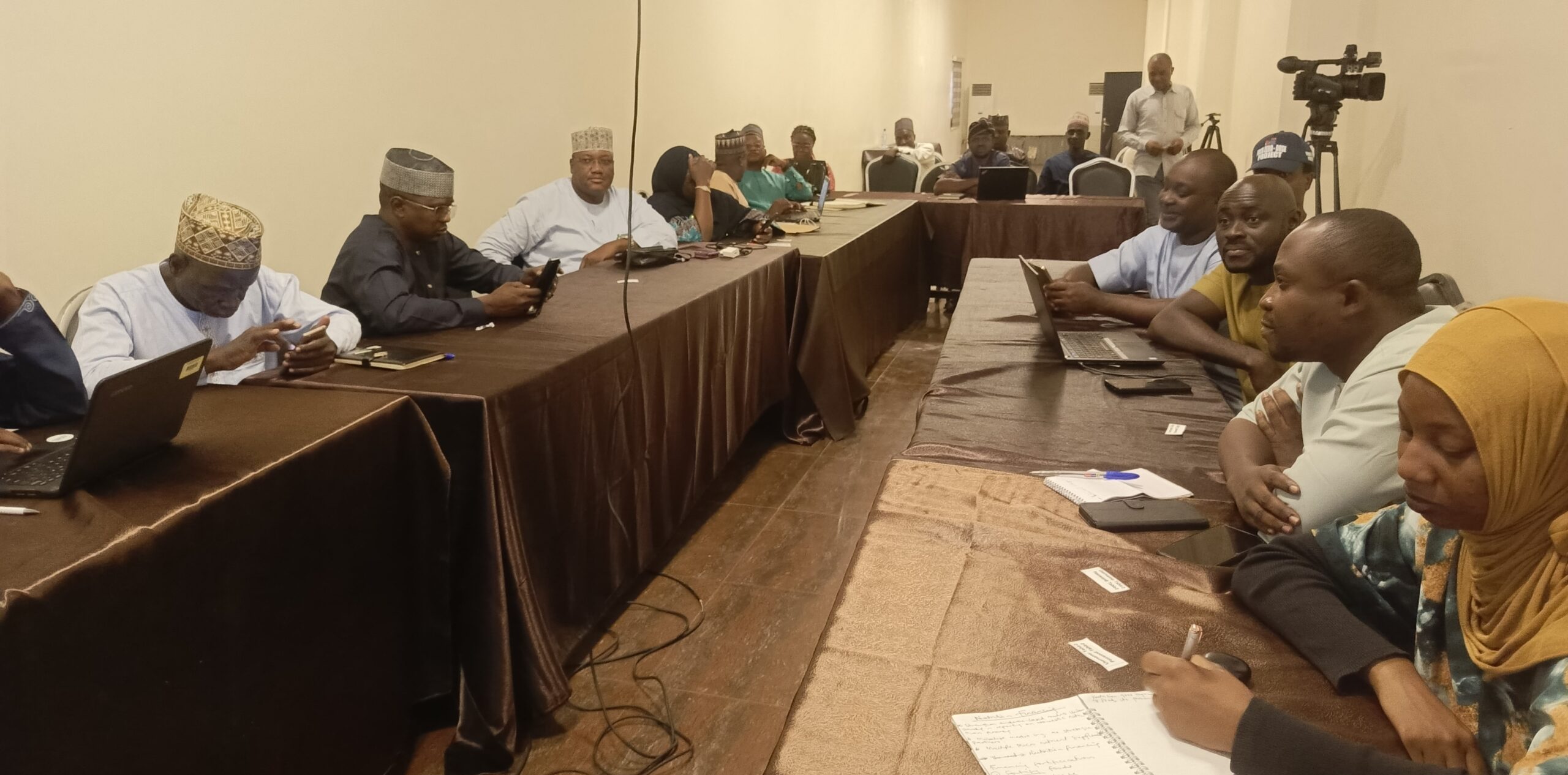
The Civil Society Scaling-Up Nutrition in Nigeria (CS-SUNN) has identified inadequate funding, shortages of nutrition commodities, delayed budget releases, manpower shortages, climate change, insecurity and food insecurity as major challenges undermining efforts to tackle malnutrition in Kano State.
KANO FOCUS reports that the National Programme Manager of CS-SUNN, Ridwan Awosanya, raised the concerns on Thursday during a media engagement on domestic nutrition financing, calling on the Kano State Government to ensure timely and full release of funds allocated to nutrition programmes.
Mr Awosanya said budgetary allocations often failed to translate into actual spending because the amounts released were significantly lower than those approved.
“If ₦100 has been appropriated, in most cases, the highest amount released would be about ₦45,” he said.
He added that actual expenditure on intended nutrition programmes could be as low as 15 to 20 per cent, despite budget releases of between 45 and 50 per cent.

Participants at the occasion
The programme manager urged the government to increase funding for nutrition and ensure that at least 95 per cent of approved allocations were released, with a minimum of 90 per cent utilisation.
“That is what we want, and that is what can change the narrative,” he said.
Mr Awosanya also called on journalists to sustain public attention on nutrition financing rather than report on the issue only occasionally.
He urged the Kano State House of Assembly, particularly its Committee on Food and Nutrition, to strengthen oversight of budget implementation by monitoring the amounts approved, released and spent on nutrition programmes.
Participants at the occasion
He said effective legislative scrutiny was essential to ensure that funds reached intended beneficiaries and delivered measurable results in the fight against malnutrition.
Earlier, CS-SUNN’s Senior Communications Officer, Ms Lilian Okafor, said the media engagement was organised to strengthen collaboration with journalists and promote accountability in domestic nutrition financing.
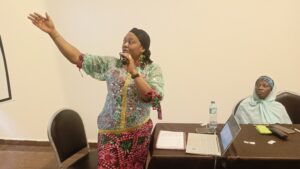
Ms Lilian Okafor
She said the initiative would also support the development and dissemination of strategic communication materials to sustain advocacy for increased government investment in nutrition programmes.
Speaking at the engagement, the Kano State Coordinator of CS-SUNN, Salman Mohammed Bawan Allah, said the state government had released nearly ₦300 million for nutrition programmes in 2026 following the organisation’s advocacy.

Malam Salman Muhammad Bawan Allah
He said CS-SUNN had been working with the Ministry of Budget and Planning to secure the release of funds for nutrition interventions.
According to him, the organisation’s advocacy seeks to ensure that approved budgetary allocations translate into actual funding, particularly for programmes aimed at preventing malnutrition among children.

Participants at the occasion
Bawan Allah said CS-SUNN was also taking nutrition awareness campaigns to communities, stressing that the responsibility for tackling malnutrition should not rest with the government alone.
“Tackling malnutrition should not be left to the government alone, as communities also have a responsibility to improve nutrition and protect children’s health,” he said.
He added that the organisation worked with civil society groups through its coalition to promote practical nutrition interventions, including food demonstrations and home gardens.
The engagement brought together media practitioners and other stakeholders to explore ways of improving public awareness, strengthening accountability and keeping nutrition financing a priority in government policies and programmes.
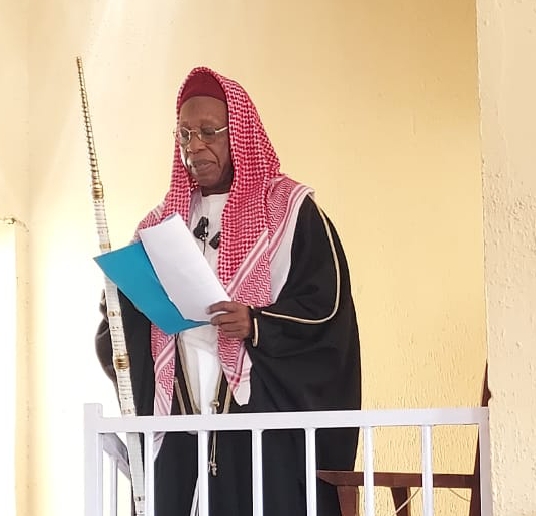
Nasiru Yusuf Ibrahim
Dr Goni Faruk Umar has urged Muslims to embrace Taqwa in their daily lives, describing it as a foundation of Islam and a key to righteous conduct and success in this world and the hereafter.
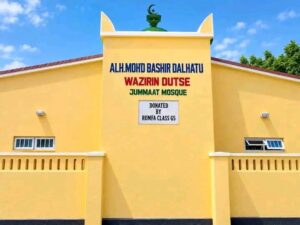
KANO FOCUS reports that the Islamic scholar made the call while delivering a Juma’a sermon at the New Juma’a Mosque, Rumfa College, Kano.
In the sermon, Dr Goni Faruk Umar explained the meaning of Taqwa using classical Islamic scholarship, including an account involving Umar ibn al-Khattab and the companion Ubayy ibn Ka’b to illustrate the concept.
According to the account cited in the sermon, Sayyadina Ubayy once asked Khalifa Umar bin Khattab whether he had ever walked along a thorny path. When Khalifa Umar bin Khattab answered in the affirmative, Sayyadina Ubayy asked how he navigated it. Khalifa Umar bin Khattab replied that he gathered his clothes and proceeded cautiously to avoid being pricked.
Sayyadina Ubayy then explained that this was the essence of Taqwa: being constantly mindful of one’s actions and carefully avoiding what displeases Allah.
Dr Goni Faruk Umar said Taqwa should not be limited to acts of worship but should also guide Muslims’ conduct in contemporary society, particularly in their use of digital platforms and social media, control of the tongue, and relationships within the family.
He urged worshippers to exercise restraint in their speech, act responsibly online and uphold their obligations to family members in accordance with Islamic teachings.
The cleric also highlighted the spiritual and worldly benefits of Taqwa, including relief from hardship, ease in personal affairs, forgiveness of sins and increased rewards in the hereafter.
Quoting verses from the Qur’an, he cited Allah’s promise in Surah At-Talaq, verses 2 and 3, that whoever fears Him will be granted a way out of difficulties and provided for from sources they could not have anticipated.
He also referred to Qur’an 65:4–5, which promises ease in affairs, the removal of sins and the multiplication of rewards for those who maintain Taqwa.
The scholar reminded Muslims that worldly life is temporary and that the hereafter is their permanent destination. He therefore urged them to regard Taqwa as the best provision for the journey beyond this life.
Citing Qur’an 2:197, he emphasised that the best provision for the hereafter is Taqwa, urging believers to remain conscious of their responsibilities to Allah.
The sermon also featured prayers and salutations upon Prophet Muhammad (peace be upon him), his family and companions, in accordance with the Qur’anic instruction in Surah Al-Ahzab, verse 56.
Dr Goni Faruk Umar concluded by encouraging Muslims to remain steadfast in faith, follow the guidance of the Prophet and make righteousness a guiding principle in their daily lives.

Indonesian scholar proposes waqf model to reform almajiri education in Nigeria

2027 Elections: Kano police assure robust security, urge media to counter fake news

CS-SUNN raises concern over nutrition funding gaps in Kano

Dr Goni Faruk Umar calls on muslims to embrace taqwa in daily life

Dabo’s resignation triggers wave of defections from APC in Kano

Kano leads again as NECO successes rise to 74,413
Kano tops states in 2026 NECO results, Governor Yusuf hails students

Kano Govt Suspends Durbar Processions, Horse Riding in Metropolis

ACF begins Dangote Refinery IPO sensitisation campaign in Kano

