
News
Sheikh Masussuka’s killing: why sectarian blame must not replace justice

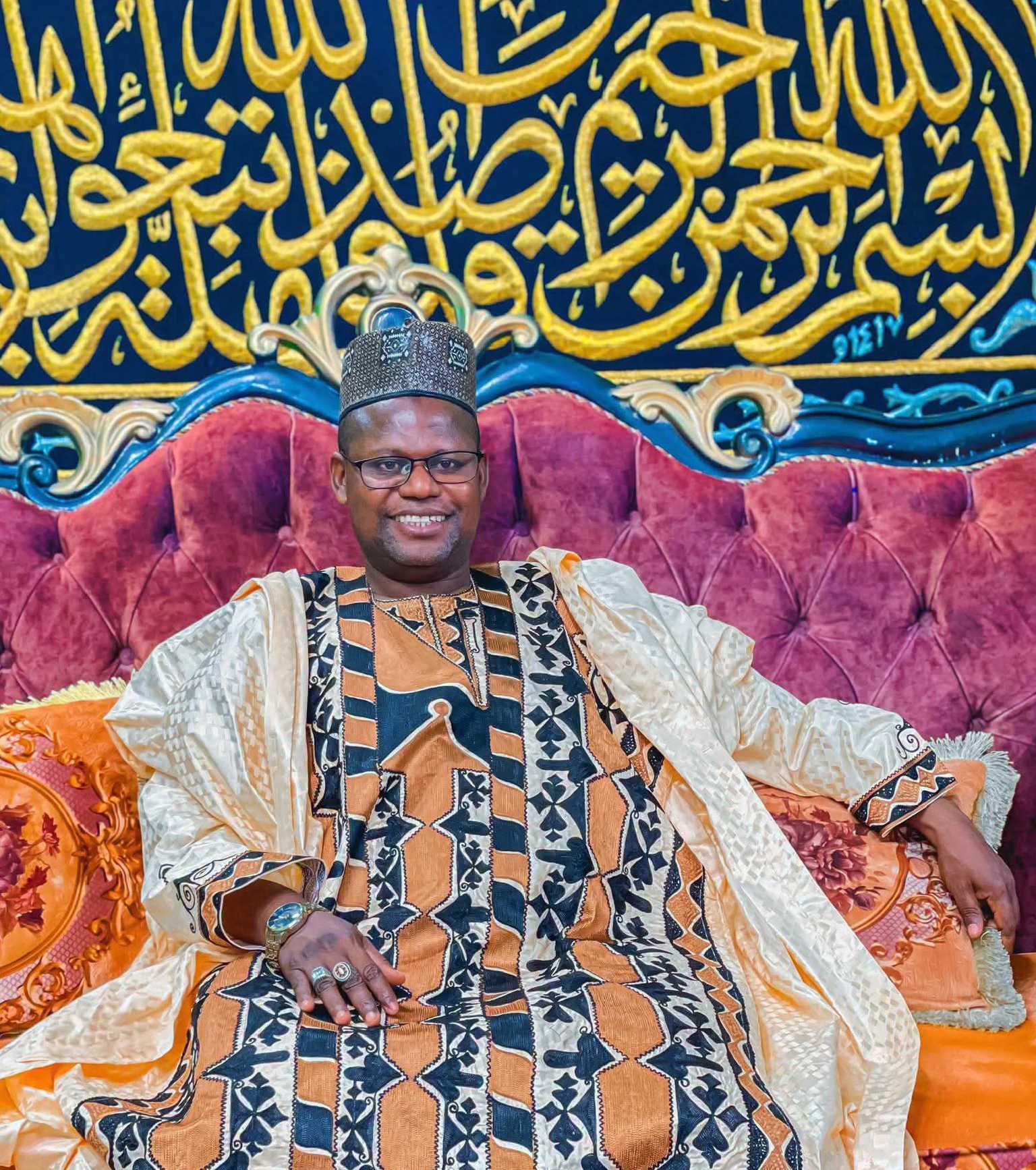
Imam Murtadha Gusau
The killing of Katsina-based Islamic preacher Sheikh Yahaya Ibrahim Masussuka should serve as a warning against the dangers of religious extremism, sectarian hostility and the reckless attribution of blame before investigations are concluded.

Sheikh Masussuka was reportedly shot dead alongside his associate, Adamu Abubakar, by gunmen in Dutsin-Ma, Katsina State, on Monday, October 26, 2026. His death has generated tension, with allegations circulating on social media and among religious circles that members of Ahlus-Sunnah wal-Jama’ah, particularly the Salafiyyah and Izalah movements, were responsible.
Those allegations have been complicated by an audio statement in which the terrorist group Ansaru reportedly claimed responsibility for the killings. The group was also reported to have cited Masussuka’s religious views, advocacy for interfaith dialogue and condemnation of violent extremism among its grievances against him.
These claims must be properly investigated and independently established. However, they underscore an important point: religious disagreements, however intense, must never become a licence for violence, and suspicion must never be mistaken for proof.
The danger of collective blame
Masussuka was a controversial religious figure whose Qur’an-centred teachings, including his rejection of the authority of Prophetic Hadith, brought him into theological disagreements with mainstream Islamic scholars.
In November 2025, he reportedly petitioned the Katsina State Government over alleged insults and threats from members of the Izalah movement. Such a history of disagreement may explain why some people quickly suspected his religious opponents after his killing. It does not, however, establish their responsibility for the crime.
In a society where religious identity can easily become a source of division, the temptation to blame an entire movement for the actions of individuals is dangerous. It can inflame tensions, provoke retaliation and endanger innocent people.
No religious group should be held collectively responsible for a crime without credible evidence. Equally, no individual or organisation should be shielded from investigation merely because of its religious affiliation or public standing.
The appropriate response to the killing is a thorough, impartial investigation that identifies the perpetrators, establishes their motives and brings those found culpable to justice.
The Katsina State Police Command and other relevant authorities must be allowed to carry out their responsibilities without pressure from partisan interests or religious factions. Members of the public, meanwhile, should resist the temptation to spread unverified allegations or mobilise others against people they suspect.
Justice cannot be secured through rumours, online accusations or reprisals. It requires evidence, due process and the courage to accept the outcome of a credible investigation.
Islam’s position on the sanctity of life
As a Muslim, I consider the protection of innocent life a fundamental obligation. The deliberate killing of an innocent person is a grave offence, and no interpretation of religion should be used to justify murder, intimidation or acts of terror.
Allah says in the Qur’an:
“Whoever kills a soul unless for a soul or for corruption done in the land—it is as if he had slain mankind entirely. And whoever saves one—it is as if he had saved mankind entirely.” (Qur’an 5:32)
This teaching places an enormous moral responsibility on every believer. Human life cannot be treated as disposable simply because someone holds a different opinion, belongs to another religious group or challenges a particular interpretation of scripture.
The Qur’an also instructs Muslims to invite people to the way of their Lord with wisdom and good counsel, and to engage them in the best possible manner (Qur’an 16:125).
This principle is particularly important when religious differences become contentious. Disagreement should be addressed through scholarship, dialogue and reasoned argument—not threats, intimidation or violence.
Ahlus-Sunnah wal-Jama’ah, like other Muslim communities, should be judged by the conduct of its adherents and the teachings they uphold, rather than by allegations that have not been established. Those who identify with the Sunnah must demonstrate through their conduct that their commitment to the faith is inseparable from justice, mercy and respect for human life.
At the same time, the rejection of terrorism must be universal. Violence does not become acceptable because its perpetrators claim to defend a religious cause, and no group can acquire immunity from scrutiny by invoking Islam.
Knowledge must defeat extremism
One of the most effective ways of confronting religious extremism is to promote sound Islamic scholarship and responsible religious leadership.
The history of Islam offers examples of scholars who confronted dangerous interpretations through knowledge and dialogue. Abdullah ibn Abbas, a Companion of the Prophet Muhammad (PBUH), is widely remembered in Islamic tradition for engaging the Khawarij, an early extremist group, in theological argument and challenging their interpretations of religious texts.
The lesson is that mistaken beliefs should be confronted with evidence, patience and sound scholarship. Violence against people suspected of holding erroneous views only deepens division and makes peaceful engagement more difficult.
Religious leaders therefore have a special responsibility to ensure that their sermons, teachings and public statements do not encourage hatred or legitimise harm against others. They must distinguish between correcting an idea and attacking the dignity or safety of the person who holds it.
This responsibility extends to social media, where provocative messages and unverified allegations can spread rapidly. Religious disputes that might otherwise remain confined to scholarly discussions can become public confrontations when users circulate inflammatory claims without checking their accuracy.
Muslims should refuse to participate in online campaigns that dehumanise opponents, encourage collective punishment or portray entire communities as enemies. The pursuit of truth requires intellectual honesty, while the defence of religion requires good character.
The Prophet Muhammad (peace be upon him) is reported to have said that a Muslim is one from whose tongue and hand other people are safe. This teaching offers a practical standard by which believers should assess their conduct.
If our words expose innocent people to threats, or our actions endanger their lives, we must examine whether we are truly reflecting the values we profess.
Mercy is not weakness
The distinction between religious conviction and religious intolerance must be clearly understood. A person can hold firmly to a theological position without insulting, threatening or persecuting those who disagree.
Indeed, mercy does not require Muslims to abandon their beliefs. It requires them to uphold those beliefs without violating the rights of others.
The Prophet’s conduct provides a model of restraint and compassion. In a well-known account in Sahih al-Bukhari, a Bedouin urinated in the Prophet’s Mosque, prompting some Companions to react angrily. The Prophet instructed them to leave the man alone and have the affected area cleaned, explaining that people had been sent to make matters easier, not harder.
The lesson is not that wrongdoing should be ignored. Rather, correction should be proportionate, informed and directed towards addressing the problem instead of humiliating or destroying the person responsible.
This approach is relevant to contemporary religious disagreements. A person who expresses a controversial interpretation of Islam should be answered with knowledge and appropriate dialogue. Where conduct violates the law, the authorities should respond through lawful procedures. Neither theological disagreement nor public anger justifies private punishment.
Similarly, allegations of blasphemy, disbelief or deviation must not be treated as permission for individuals to take the law into their own hands. Accusations of this nature can have devastating consequences and must never become instruments for settling personal scores or advancing sectarian interests.
A responsibility shared by leaders and citizens
The killing of Sheikh Masussuka demands more than condemnation. It calls for a collective commitment to prevent further violence.
The police must investigate the killings professionally and pursue those responsible. Religious leaders must calm their followers and reject attempts to exploit the tragedy. Political and community leaders must discourage inflammatory rhetoric, while media organisations and social media users must verify information before publishing or sharing it.
The government should also pay attention to the conditions that allow extremist groups to recruit, intimidate communities and spread violent ideologies. Effective security measures must be accompanied by credible religious education, community engagement and opportunities for young people to seek guidance from knowledgeable and responsible scholars.
Above all, the authorities must ensure that the pursuit of justice does not become a pretext for harassment or reprisals against innocent people.
The killing of one person must not lead to the persecution of another. Nor should the grief of a victim’s family be exploited to deepen divisions within the Muslim community.
Ahlus-Sunnah wal-Jama’ah adherents have a responsibility to reject violence committed in the name of Islam and to demonstrate that their commitment to the Sunnah is reflected in patience, compassion and respect for justice. Other religious communities and ideological groups have the same obligation to reject violence and hold their members accountable for wrongdoing.
The protection of innocent life is not the exclusive responsibility of one sect. It is a shared moral and civic duty.
Justice, not vengeance
The circumstances surrounding Sheikh Masussuka’s death must be established through a credible investigation. If Ansaru’s reported claim of responsibility is substantiated, the group’s involvement must be confronted through lawful security and judicial measures. If evidence implicates any other individuals, they too must answer for their actions.
Until then, Nigerians must resist the urge to turn suspicion into certainty or religious disagreement into collective condemnation.
The true test of religious commitment is not the intensity with which one denounces opponents, but the willingness to uphold truth and justice even when emotions run high. Faith should encourage self-restraint, protect human dignity and inspire people to seek peaceful solutions to their differences.
Nigeria has already paid a heavy price for violence driven by extremism and communal suspicion. The country cannot afford to allow another killing to become a trigger for fresh hostility.
Let the death of Sheikh Yahaya Ibrahim Masussuka strengthen, rather than weaken, our resolve to protect innocent lives, promote responsible religious dialogue and ensure that every allegation is tested against evidence.
Islam must not be used as a cover for terrorism, and religious disagreement must never become an excuse for murder. The path forward is clear: reject extremism, condemn false accusations, protect the innocent and allow justice to take its course.
Imam Murtadha Muhammad Gusau is the Chief Imam of Nagazi-Uvete Jumu’ah Mosque and the late Alhaji Abdur-Rahman Okene’s Mosque, Okene, Kogi State, Nigeria.



Nasiru Yusuf Ibrahim
The Rumfa Old Boys Association, Class of 1984, has commenced a fully funded pilot programme aimed at improving learning outcomes among selected students of their alma mater through a structured three-year academic intervention.
The chapter’s chairman, Alhaji Ahmed Jibril, disclosed this in a statement sent to KANO FOCUS explaining that the programme would provide sustained academic support to students from Senior Secondary School One (SS1) to SS3.
According to him, the initiative, known as the Targeted Academic Grooming Programme, is designed to address learning challenges through evidence-based interventions adapted to the realities of the Nigerian education system.
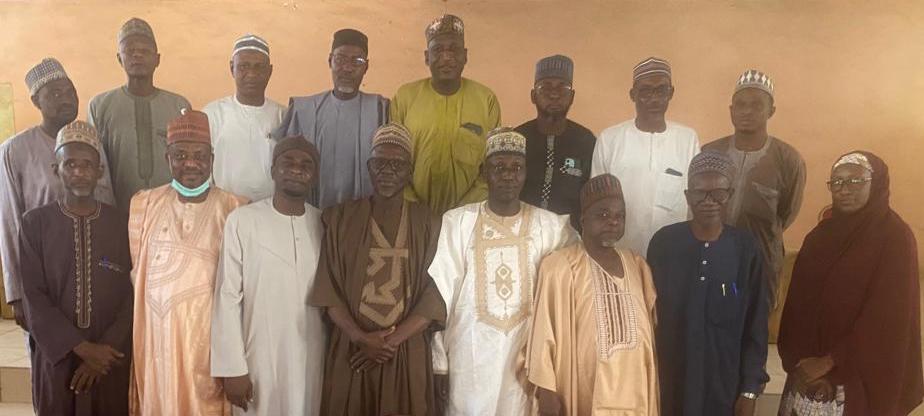
Jibril said the programme had commenced with a review and validation of its work plan organised by the old students, with key stakeholders participating in the exercise.
Those present included representatives of the Rumfa Old Boys Association’s national chapter, the Kano State Ministry of Education, the Zonal Education Office, the School-Based Management Committee (SBMC) and the Parent-Teacher Association (PTA).
The three-year initiative seeks to improve students’ academic performance through targeted teaching, teacher development, counselling, parental engagement and improved learning facilities.
Under the programme, all SS1 students will be observed throughout the academic session, after which an initial cohort of 50 students will be selected based on academic performance, attitude to learning, teachers’ assessments and a structured aptitude assessment.
The programme’s planners envisage that about 40 students may ultimately complete the intervention, with parents’ or guardians’ commitment assessed before enrolment.
In the second year, the selected students will form a dedicated class taught by some of the school’s strongest teachers. They will also receive quality learning materials, counselling support and other interventions to address barriers to effective learning.
Parents will be engaged every term, while the Old Boys Association and the wider community will receive periodic updates on the programme’s progress.
The final year will focus on consolidating students’ academic foundations and preparing them for the West African Senior School Certificate Examination (WASSCE). The programme will include two full mock examinations, while support will be provided for examination registration for students from indigent backgrounds.
At the end of the three-year cycle, the association plans to produce a comprehensive impact report documenting the programme’s achievements and lessons.
The programme is designed as a holistic intervention rather than a conventional remedial class, with emphasis on addressing challenges affecting students, teachers, parents, the learning environment and education support systems.
Its expected outcomes include at least 90 per cent of participating students obtaining five credits in the WASSCE, including English Language and Mathematics.
Other targets include retraining and equipping six subject teachers, refurbishing a dedicated classroom and developing a documented model that could be replicated by the state government or other development partners.
To ensure accountability, the programme will be supervised by a steering committee comprising representatives of the Old Boys Association, the school principal, programme coordinator, a parent representative, a community or traditional institution representative, and an advisory representative of the State Ministry of Education.
The committee will meet quarterly to review monitoring and evaluation data, approve expenditure and address implementation challenges. It will also report to the association’s annual general meeting, while the association reserves the right to commission an independent audit.
The association said the initiative reflects its commitment to giving back to the institution that shaped its members and investing in the academic future of subsequent generations.
It expressed the hope that the programme would establish a sustainable model for improving learning outcomes, strengthening teaching capacity and supporting future students beyond the pilot phase.
Nasiru Yusuf Ibrahim
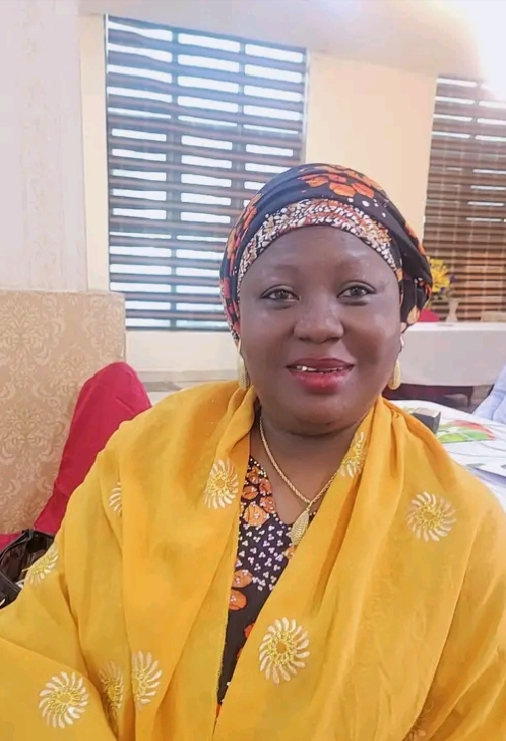
The Civil Society Scaling Up Nutrition in Nigeria (CS-SUNN) has expressed sorrow over the death of Habiba Dauda Alabura, a staff member of Niger State Television (NSTV) and a member of the Nigeria Association of Women Journalists (NAWOJ), Niger State Chapter.
KANO FOCUS reports that the organisation, in a condolence message, described the late journalist as a dedicated professional whose work contributed to informing the public and amplifying community voices.
CS-SUNN noted that journalists play a vital role in keeping critical issues, including nutrition, healthcare and the wellbeing of women and children, on the public agenda.
It said Alabura’s commitment to journalism and service to the people of Niger State would not be forgotten.
The organisation extended its condolences to her family, the leadership and members of NAWOJ in Niger State, the management and staff of NSTV, as well as her friends, colleagues and associates in the media community.
CS-SUNN also prayed for God to grant the deceased eternal rest and give her family and loved ones the strength to bear the loss.
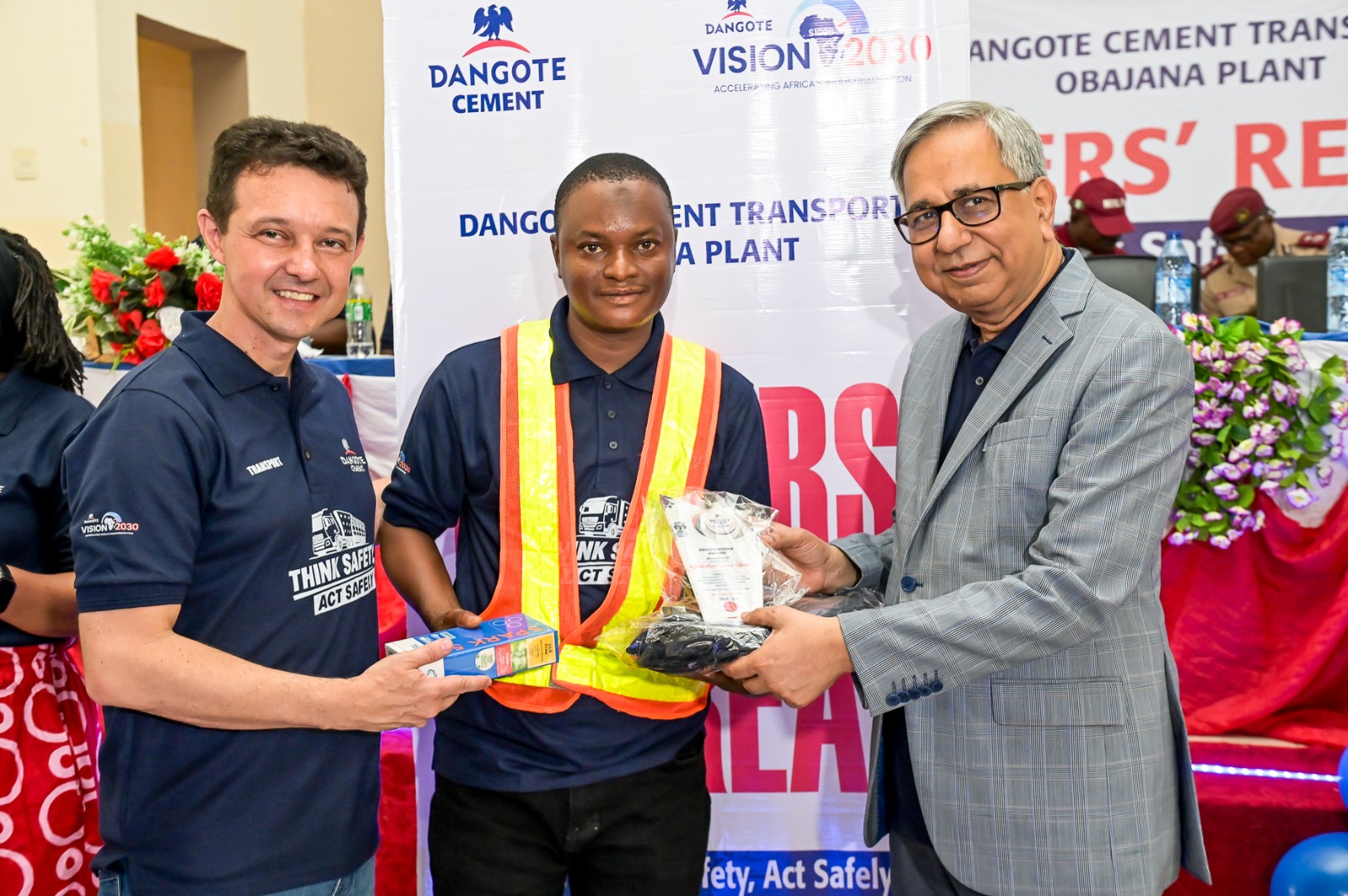
The company’s management says protecting drivers’ lives takes priority over delivery targets as it warns against speeding, fatigue and reckless driving.
Nasiru Yusuf Ibrahim
Dangote Cement Plc has intensified efforts to improve road safety across its African operations, urging drivers to prioritise safe driving practices and comply with established safety standards.
KANO FOCUS reports that the company’s Group Managing Director, Arvind Pathak, gave the charge at the 2026 Drivers Safety Retreat held at the Dangote Cement plant in Obajana, Kogi State, with the theme, “Think Safety, Act Safely”.
Pathak said the company remained committed to the safety and welfare of its drivers, stressing that no commercial target or business delivery was worth the loss of human life.
He said that while Dangote Cement placed a premium on the quality of its products, its drivers played a critical role in ensuring that the products reached customers safely and efficiently.
“Every time you get behind the wheel, you are carrying more than a product. You are carrying the reputation of this company, the trust of other road users and, most importantly, your own life. We can replace a truck; we cannot replace a human being,” he said.
Pathak described drivers as indispensable to the company’s growth and distribution network, assuring them that management would continue to invest in training, professional development and welfare initiatives to strengthen safety across its logistics operations.
He urged the drivers to avoid speeding, fatigue and other dangerous practices, noting that professional competence should be measured by arriving safely rather than completing journeys quickly.
“If you are tired, stop and rest. If a situation looks unsafe, do not take chances. The goal is not just to reach your destination; the goal is to return home safely to your family,” he said.
The retreat brought together drivers, transport personnel and management representatives to promote responsible driving, address welfare concerns and reinforce the company’s safety culture.
Dangote Cement’s Head of Transport, Murilo Silva, also cautioned drivers against reckless driving, proxy driving and other unsafe transportation practices, warning that such conduct would not be tolerated.
Silva urged the drivers to take personal responsibility for their actions and contribute to making Nigerian roads safer for motorists and other road users.
Similarly, Ebere Okonkwo, the company’s Group Head of Transport, Health, Safety and Environment for Pan Africa Nigeria, said the retreat was necessary to improve drivers’ safety awareness and reduce road accidents.
She urged drivers to take the training seriously, noting that safety violations could have serious consequences for both the drivers and the company.
The interactive session also provided an opportunity for drivers to raise concerns about their welfare and working conditions.
Issues raised included the rising cost of living, work-related expenses and the need for timely communication of drug test results.
Some drivers commended the company’s investment in their welfare, saying the retreat demonstrated management’s concern for their safety beyond their operational responsibilities.
They pledged to maintain high safety standards, protect the trucks entrusted to them and avoid practices that could endanger human lives.
As part of the programme, Dangote Cement recognised 10 outstanding drivers for their performance and commitment to safety. Ismaila Suleiman was named the most outstanding driver for the year under review.

Sheikh Masussuka’s killing: why sectarian blame must not replace justice

Rumfa Old Boys Class ’84 launches three-year academic improvement programme

CS-SUNN mourns Niger state television journalist Habiba Alabura

Dangote Cement Strengthens Driver Safety Measures Across Africa

Veteran NTA manager Dahiru Biso loses wife at 58

Kano must make government procurement work for made-in-Kano

Indonesian scholar proposes waqf model to reform almajiri education in Nigeria

Nigeria’s Data Demand Surges 47% as Stakeholders Seek Fresh Investment in Digital Infrastructure

Kano Settles N32bn Pension, Gratuity Liabilities, Says Gov Yusuf

