
News
Buhari nominates Sabo Nanono, Bashir Magashi as ministers

Maude Rabiu Gwadabe
President Muhammad Buhari has nominated two candidates from Kano state among the 43 names he sent to the senate for screening and confirmation.
The two nominees are Alhaji Sabo Nanono and retired Major General Bashir Salihi Magashi.
KANO TODAY reports that the former minister from Kano retired Lieutenant General Abdulrahman Bello Dambazau has not made into the second term.
Both Kano state nominees are known to be loyalists of President Buhari since he joined partisan politics in 2002.

Mr. Nanono, 73, is a politician, farmer, traditional ruler, and has been a university lecturer, civil servant and banker.
Mr. Magashi was military governor of Sokoto State, commander of the Brigade of Guards during the Abacha administration, and candidate for Kano state governorship in 2007 under the banner of the Democratic People’s Party (DPP).



Nasiru Yusuf Ibrahim
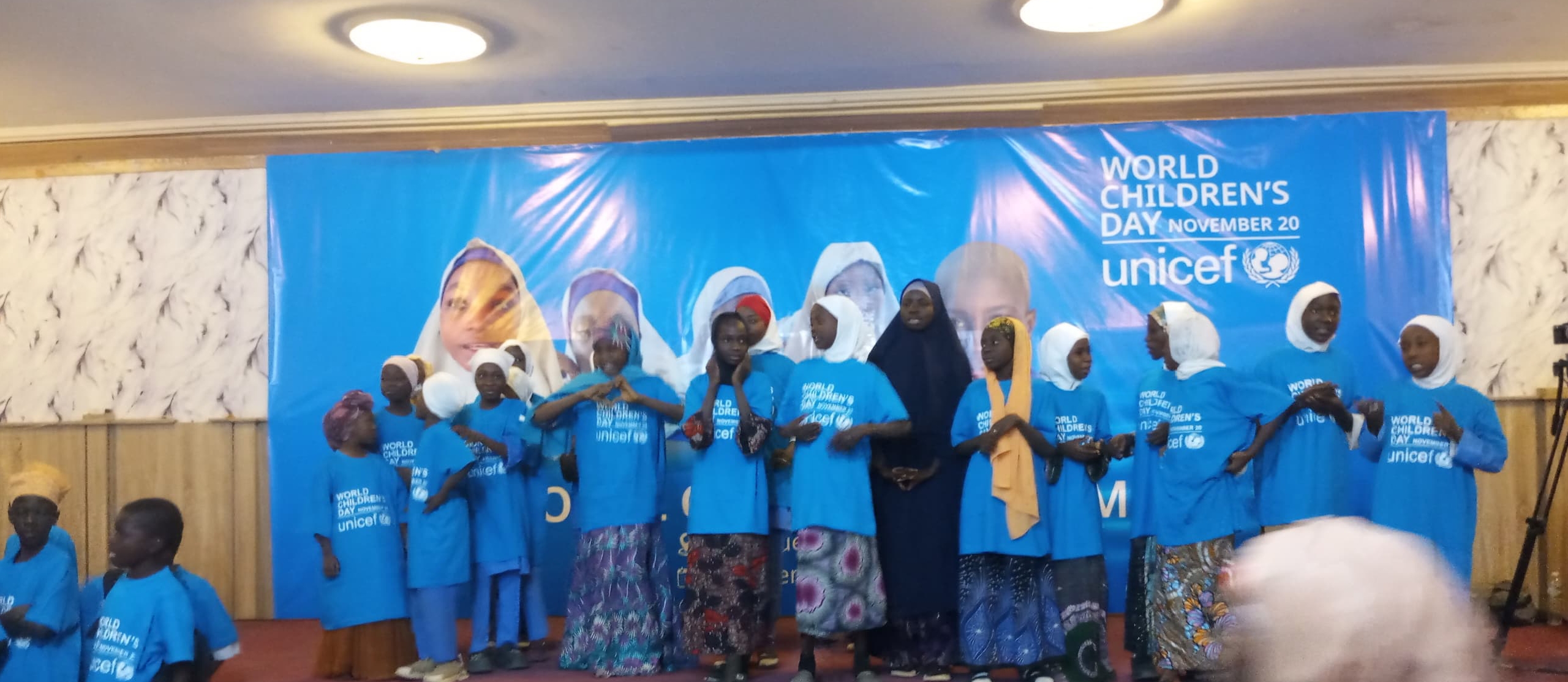
The United Nations Children’s Fund (UNICEF) has urged governments in Kano, Jigawa and Katsina states to translate children’s recommendations into concrete policies, budgetary allocations and programmes that will improve their welfare and protect their rights.
KANO FOCUS reports that the Chief of UNICEF Field Office Kano, Shafeeq Ur-Rehman, made the call at the Zonal Children’s Summit organised to commemorate the 2026 World Children’s Day in Kano on Friday.
Ur-Rehman, who was represented by the Officer-in-Charge, Dr Serekeberehan Seyoum Deres, said governments and other stakeholders must go beyond listening to children by ensuring that their concerns and recommendations influence decisions affecting their lives.
The summit, held at Tahir Guest Palace, Kano, brought together children from Kano, Jigawa and Katsina states, who presented drawings, videos and ideas highlighting their experiences and the future they desire.
Speaking on this year’s World Children’s Day theme, “My Day. My Rights. My Future,” the UNICEF chief said children’s rights should be reflected in their everyday experiences, including access to quality education, healthcare, clean water and protection.
He noted that a child’s right to education, for instance, could be undermined by the long distance travelled to school or the responsibility of fetching water before attending classes.
He also stressed the need for well-equipped and adequately staffed health facilities that operate round the clock to ensure children have access to essential healthcare services.
According to him, every child has the right to survive and thrive, receive education, enjoy protection and have their voices heard, regardless of gender, disability or social circumstances.
“Children’s rights are human rights, and they must be protected every day, not only on 20 November,” he said.
Ur-Rehman described children as experts in their own lives, noting that their contributions through drawings and short videos had provided valuable insights into the challenges confronting them and areas requiring urgent intervention.
He said the young delegates would consolidate their observations and proposals into a communiqué containing recommendations for government officials and development partners.
He urged commissioners and senior government officials from the three states to take the children’s recommendations back to their respective ministries and agencies and ensure they informed government policies, budgets and programmes.
The UNICEF official also called on the media, parents, teachers, communities and development partners to amplify children’s voices responsibly and support their demands with concrete actions.
He reaffirmed UNICEF’s commitment to working with governments, communities and young people to ensure that every child enjoys their rights, particularly girls, children with disabilities, out-of-school children and those living in hard-to-reach communities.
He added that UNICEF was marking 80 years of its work for children, stressing that its commitment to improving children’s welfare across Kano, Jigawa and Katsina remained strong.
“Let me end with the message that brings us together today: listen to children, protect their rights, and choose a future for every child,” he said.
Nasiru Yusuf Ibrahim
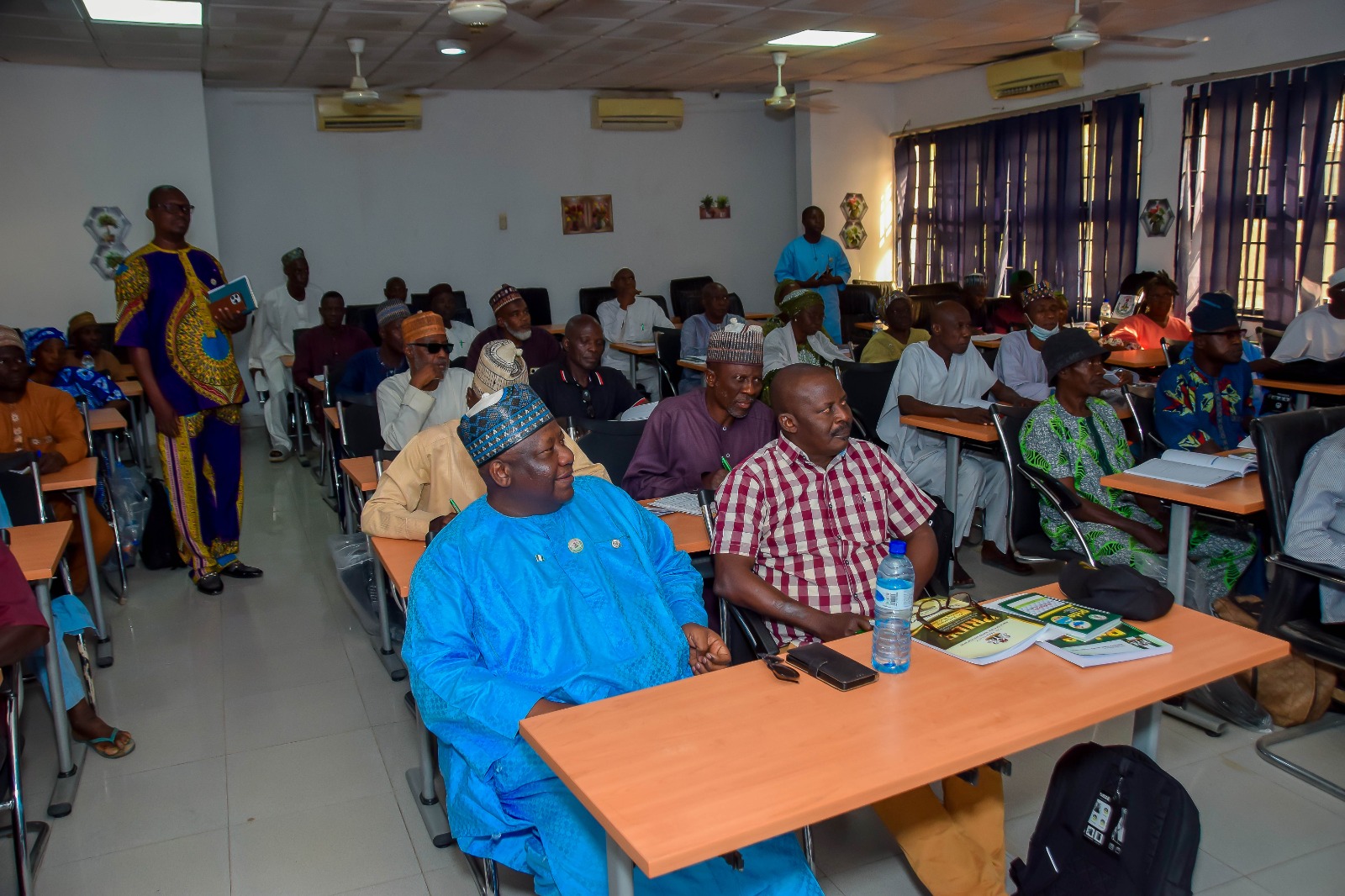
The Bureau of Public Service Reforms (BPSR) has urged federal civil servants to develop alternative sources of income before retirement to avoid financial difficulties after leaving active service.
KANO FOCUS reports that the Director-General of the bureau, Alhaji Dasuki Ibrahim Arabi, gave the advice during a pre-retirement training programme organised for federal workers to equip them with skills in financial management, entrepreneurship and family life after retirement.
Alhaji Dasuki Ibrahim Arabi
“Retirement is a disaster if you refuse to plan,” Arabi said, stressing the need for public servants to prepare adequately for life after government employment.
He said the programme was designed to ensure that retired workers remained economically productive instead of becoming dependent on their families and society.
According to him, the bureau wants every federal government employee to acquire a skill or learn a trade before leaving active service.
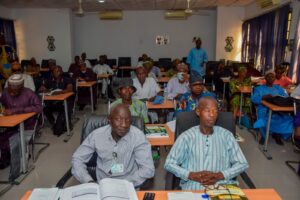
Arabi explained that training and retraining of public servants formed part of the bureau’s mandate, describing the initiative as a way of appreciating workers who had devoted years to serving the country.
He commended President Bola Ahmed Tinubu for providing funds for the programme but appealed for additional financial support to enable the bureau to conduct its second, third and fourth phases.
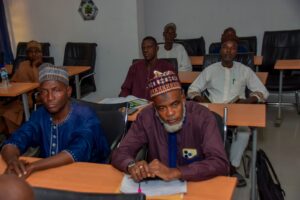
The BPSR director-general disclosed that 660 federal workers had so far benefited from the training conducted in six locations: Kano, Nasarawa, Gombe, Asaba, Enugu and Lagos.
One of the participants, Auwalu Saidu Ahmad, from the National Institute for Hospitality and Tourism, said the training had changed his perception of retirement, particularly his understanding of the need to establish alternative sources of income beyond his government salary.
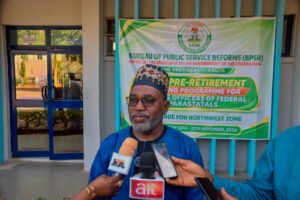
Malam Auwalu Saidu Ahmad
He said the programme exposed him to savings, business opportunities, healthcare and the importance of preparing to spend more time with his family after retirement.
Similarly, Miss Philomina Batuk, from the National Orthopaedic Hospital, Dala, Kano, said she had previously feared retirement because she was uncertain about how to manage life after leaving the service.
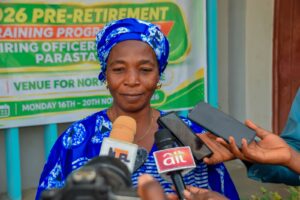
Miss Philomina Batuk
She said the training had taught her how to manage her resources, plan for the future and establish a small business before receiving her pension and gratuity.
“I am now convinced that I will live comfortably after retirement. I now know where to start,” she said.

FUT Babura appoints BUK professor Hussaini as new Vice Chancellor

Children’s Day: UNICEF urges Kano, Jigawa, Katsina to act on children’s recommendations

BPSR urges civil servants to develop alternative income before retirement

Kano senator donates N5m to drug task force, supports rescued children

Muhuyi Rimingado faults Kano lawmakers over delay in anti-drug bill

Uganda woos Dangote for $billions oil refinery, fertiliser, salt investments

Governor Yusuf swears in six commissioners, three advisers, 19 permanent secretaries

Veteran NTA manager Dahiru Biso loses wife at 58

Gov Yusuf Joins APC Leaders at Kaduna Presidential Campaign Flag-Off as Kano Delegation Draws Attention

