
Headlines
More female police officers, judges needed to fight rape, violence–REWOFO


Nazifi Dawud
A civil society group, Rescue the Women Foundation (REWOFO) has advocated for the inclusion of more women in the Nigeria Police Force (NPF) and the judiciary in order to effectively tackle the menace of rape, domestic and gender-based violence.
This suggestion was offered by the group’s founder Salim Wada Usman on Saturday, during the celebration of the group’s third anniversary in Kano.
Speaking under the theme “The Journey for Sustainable Development”, Mr Usman said the group seeks to engage other civil society groups, government and the private sector to end violence against women and children.
“We will work with survivors to empower them, making sure their experiences are taken into consideration in the development of responses; and working with those women and girls who suffer multiple and intersecting forms of violence who are particularly vulnerable,” he said.

He said: “A rape survivor must have a rapid access to a health clinic that can administer emergency medical care, including treatment to prevent HIV and unintended pregnancies and counseling.
“A woman who is beaten by her husband must have some place to go with her children to enjoy safety, sanity and shelter.
“A victim of violence must have confidence that when she files a police report, she will receive justice and the perpetrator will be punished.”
According to Mr Usman, impunity is the main factor preventing the successful prosecution of perpetrators of violence against women and children.
“When it comes to the prosecution of offenders, we know that ending impunity means that laws must be enforced.
“Women must have access to the police to file a criminal report and receive legal advice and protection orders. The response to violence must be immediate, coordinated and effective so that crimes are punished and justice is secured.
“Courts and the justice system must be accessible and responsive to criminal and civil matters relating to violence against women. Women must be informed of their legal rights and supported to navigate the legal system.
“And for this, we need more women police officers, prosecutors and judges, because we know that women serving on the front lines of justice strengthen justice for women and children,” he said.
He added that financial problem and logistics issues are two factors militating against the activities of REWOFO.
Meanwhile REWOFO also honored some personalities with awards including a prominent Kano-based photographer and photojournalist Sani Muhammad Maikatanga, who was recognized for his “inspiration and creativity”.

From right, Photojournalist Sani Muhammad Maikatanga receives an award from REWOFO founder Salim Wada Usman, assisted by DSP Abdullahi Haruna, spokesperson of the Kano State Police C





Suspect returned to Kano to face investigation, prosecution
Nasiru Yusuf Ibrahim
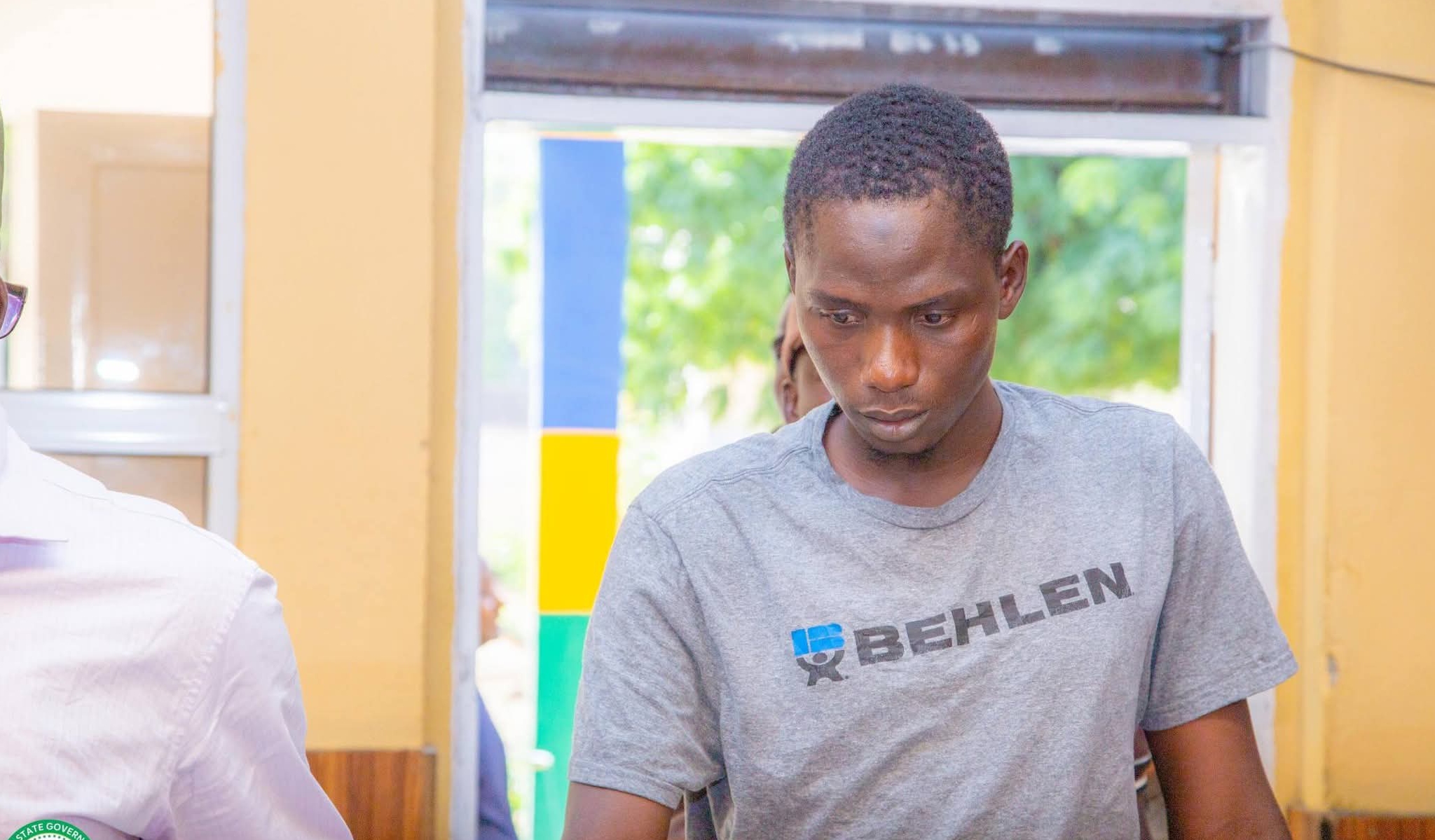
The Kano State Multi-Agency Task Force on Drug Abuse and Illicit Trafficking has arrested a suspected gang leader and sponsor, Ishaq Lawan Ibrahim, popularly known as Malam Keya, in Port Harcourt, Rivers State.
KANO FOCUS reports that the 27-year-old suspect, from Yelwa in Dala Local Government Area of Kano State, is accused of sponsoring violent gang clashes that have claimed lives and heightened insecurity in parts of the state.
The task force disclosed this in a statement, saying the suspect was arrested following intelligence-led operations after allegedly fleeing Kano as security operations against gang violence intensified.
According to the statement, operatives tracked him to Port Harcourt and arrested him in an operation led by the task force’s Head of Operations, CSP Bashir Gwadabe. He has since been returned to Kano.
The task force alleged that Malam Keya played a leading role in orchestrating and financing hoodlums involved in violent attacks in Dala and other affected communities.
The areas reportedly affected by the gang violence include Jakara, Madigawa, Yalwa, Sanka, Kul Kul, Dogon Nama, Kukar Bulukiya, Dala, Shatsari and Dandalin Turawa.
Confirming the arrest, the task force chairman, Barr Muhuyi Magaji Rimin Gado, said the operation demonstrated the agency’s determination to pursue suspected sponsors of violence beyond Kano State.
“Let me assure you that those who bankroll violence should know that no distance, and no hiding place, will protect them. This arrest is only the beginning. We will not rest until peace is fully restored,” he said.
The task force said the suspect remained in custody for further investigation and would be prosecuted upon the conclusion of the investigation.
It added that its operations would continue in accordance with the law, with all suspects entitled to due process.
The agency also pledged to sustain efforts to dismantle criminal gangs, identify their alleged sponsors and disrupt drug supply networks linked to criminal activities.
It urged residents, community and religious leaders, parents and youths to support security efforts by reporting suspicious persons and activities, monitoring their neighbourhoods and discouraging young people from being recruited into criminal gangs.
The task force described public cooperation as essential to restoring peace and security across the state.
It also acknowledged the support of the Kano and Rivers state police commands and other law enforcement agencies in the operation.
Nasiru Yusuf Ibrahim
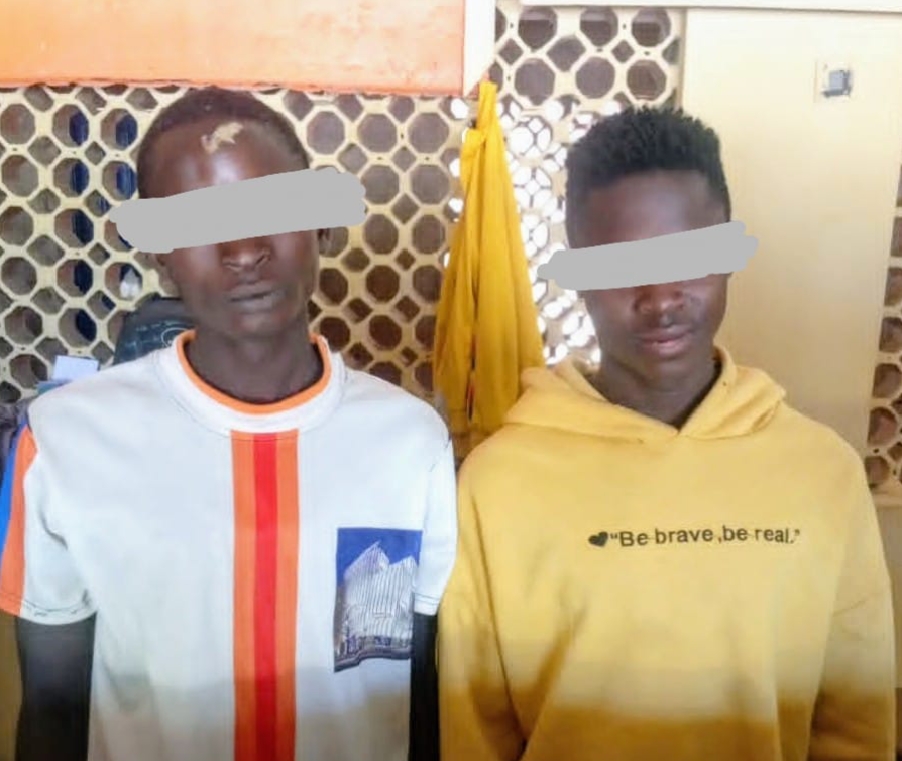
The Kano State Police Command has foiled an alleged kidnapping plot in Gezawa Local Government Area and arrested two 20-year-old suspects over threats to abduct a village head.
KANO FOCUS reports that the suspects, identified as Aliyu Naziru Garba and Bashir Alhasan, were arrested following intelligence-led operations by police operatives attached to the Gezawa Divisional Police Headquarters.
The command disclosed this in a statement issued on Wednesday by its spokesperson, CSP Abdullahi Haruna Kiyawa.
According to the statement, the incident was reported on October 26, 2026, at about 1:30 a.m. by the village head of Bangare, Mallam Idris, who told the police that he had received a threatening phone call from an unidentified person on October 24 at about 9:33 p.m.
The caller allegedly threatened to kidnap him.
Following the report, police operatives launched a follow-up operation, which led to the arrest of the two suspects.
“The suspects have confessed to the commission of the crime,” the statement said, adding that investigations were ongoing and the suspects would be charged to court upon completion.
The Commissioner of Police in Kano State, Ibrahim Adamu Bakori, commended officers of the Gezawa Division for their swift and professional response.
Bakori reiterated the command’s zero-tolerance stance on criminal activities and said the operation aligned with the policing vision of the Inspector-General of Police, Olatunji Rilwan Disu, which prioritises intelligence-led and technology-driven policing, professionalism and proactive crime prevention.
The police urged residents to remain vigilant and report suspicious persons or movements to the nearest police station.
The command also provided the following emergency contact numbers for reporting security concerns: 08032419754, 08123821575 and 09029292926.
The Eurodite scholar alleges that insurgents continue to exert influence in parts of the North, while the summit calls for stronger security measures and urgent action to address the plight of affected communities.
Nasiru Yusuf Ibrahim
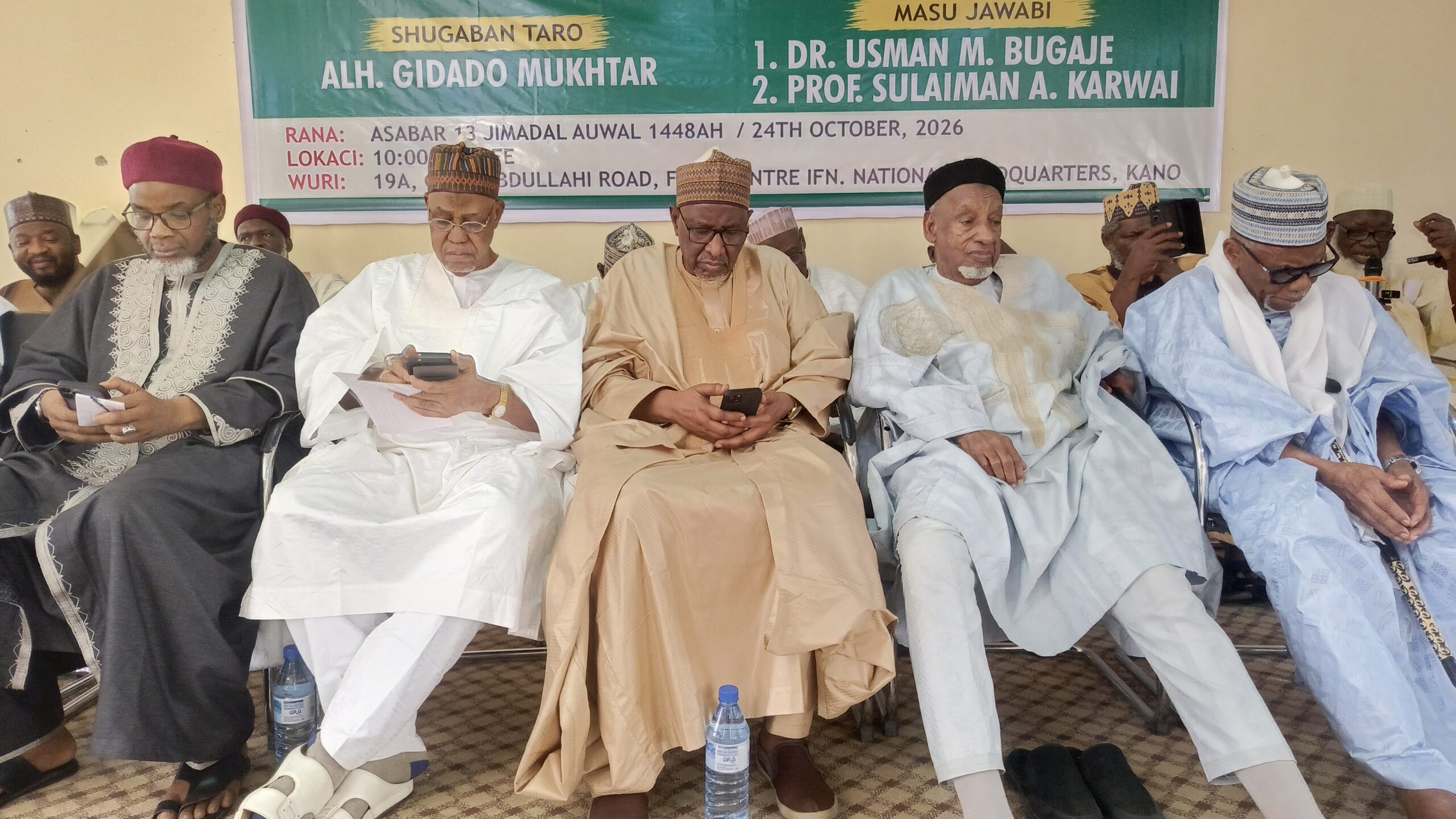
Dr Usman Bugaje, a scholar and political activist, has criticised Nigeria’s political leadership over persistent insecurity in Muslim-majority communities, describing the Muslim-Muslim presidential ticket as a “fraud” allegedly used to win voters’ support without addressing their challenges.
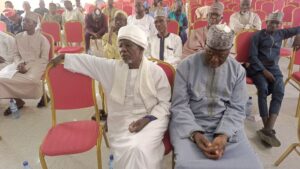
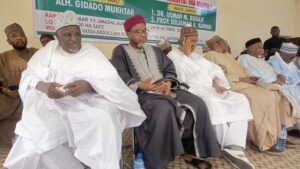
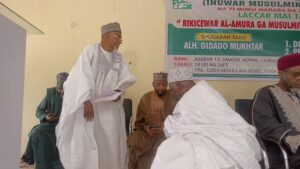
KANO FOCUS reports that Bugaje spoke at a one-day summit organised by the Islamic Forum of Nigeria in Kano on Saturday, with the theme, “Dilemma of Muslims in Nigeria: The Way Forward.”
The summit brought together Islamic scholars, professionals and other stakeholders to discuss insecurity, economic hardship, religious discrimination and other challenges confronting Muslims in the country.
Dr Bugaje argued that the religious identity of political leaders had not translated into adequate protection for Muslim communities, despite the support they received from voters.
He said persistent insecurity and economic hardship raised questions about the benefits of political arrangements built around religious identity.
Citing the security situation in the North-East, Bugaje alleged that Boko Haram insurgents continued to wield influence in communities around Maiduguri, where they reportedly collected taxes and held court sessions to settle disputes among residents.
He also expressed concern over the security situation in Sokoto State, claiming that residents travelling from the state capital to Isa Local Government Area could do so only twice a week with the support of the Joint Task Force (JTF).
The scholar argued that the situation underscored the failure of political representation based on religious identity to guarantee safety and improve living conditions for the people.
He further raised concerns about Nigeria’s dependence on imported medicines, claiming that about 70 per cent of drugs used in the country were imported.
Dr Bugaje said strengthening domestic pharmaceutical production and protecting the country’s territorial integrity were important measures of national independence.
He also warned about drug abuse among young people and women, describing it as a threat to the social and economic wellbeing of Muslim communities.
Earlier, Professor Sulaiman Abdullahi Karwai of Ahmadu Bello University, Zaria, said the Muslim-Muslim presidential ticket did not necessarily represent Muslim interests, arguing that politicians had adopted the arrangement as an electoral strategy because of the large Muslim population in Nigeria.
Prof Karwai lamented the economic hardship facing Nigerians, citing inflation, fuel subsidy removal, exchange-rate changes and tax reforms as factors contributing to the difficulties experienced by citizens.
He also raised concerns about insecurity, including the reported abduction and killing of a professor and a nurse at Ahmadu Bello University, Zaria, as well as what he described as inadequate federal capital projects in Muslim-majority states.
Recalling the late General Sani Abacha’s establishment of the Petroleum Trust Fund (PTF), Karwai said its interventions helped support health and educational institutions amid increases in fuel prices.
The summit’s chairman, Alhaji Gidado Mukhtar, said Nigeria was a multi-religious country in which citizens should be free to practise their faith.
He said the summit was convened to examine challenges confronting Muslims, including insecurity, religious discrimination and persecution.
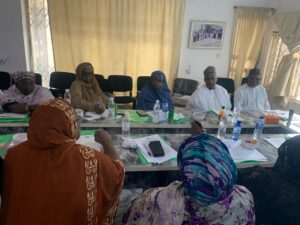
The National Chairman of the Islamic Forum of Nigeria, General Ahmad Daku (rtd), represented by his deputy, Alhaji Muhammad Tukur Bello, said the meeting was intended to assess the situation of Muslims and identify a way forward.
The forum’s Acting Executive Secretary, Alhaji Dalhatu Muhammad Gwarzo, said the discussions addressed major challenges affecting Muslim communities, particularly banditry, kidnapping and religious discrimination.
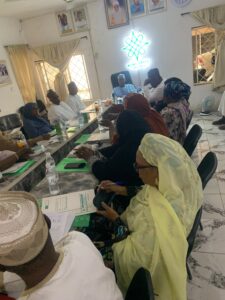
Alhaji Gwarzo said the summit called on state governors and members of the National and State Assemblies to remember the plight of affected communities and take concrete steps to address their problems.
He added that the leaders had been urged to act decisively, noting that Allah was aware of the situation confronting the people.
He also called on Muslims and other Nigerians to intensify prayers for divine intervention, while urging Imams to pray for Allah’s guidance and solutions to the country’s challenges and sensitise the Muslim community, particularly during Friday sermons.
The forum said a committee would be constituted to review the summit’s resolutions and develop an actionable plan for implementation.
In its communiqué, the summit called for stronger security measures, a review of economic policies it said were worsening hardship, fairness in federal appointments, protection of the right to wear hijab and greater cooperation among Muslim organisations.
It also urged Muslim communities and organisations to invest in education, healthcare, economic empowerment and Islamic social finance as part of efforts to tackle poverty and improve human development.

Kano Task Force Arrests Suspected Gang Sponsor ‘Malam Keya’ in Rivers

Kano water agency strengthens security at Joda waterworks

Kano Police foil kidnap plot, arrest two suspects in Gezawa

Sheikh Masussuka’s killing: why sectarian blame must not replace justice

Rumfa Old Boys Class ’84 launches three-year academic improvement programme

Kano must make government procurement work for made-in-Kano

Indonesian scholar proposes waqf model to reform almajiri education in Nigeria

Nigeria’s Data Demand Surges 47% as Stakeholders Seek Fresh Investment in Digital Infrastructure

Kano Settles N32bn Pension, Gratuity Liabilities, Says Gov Yusuf

