
Headlines
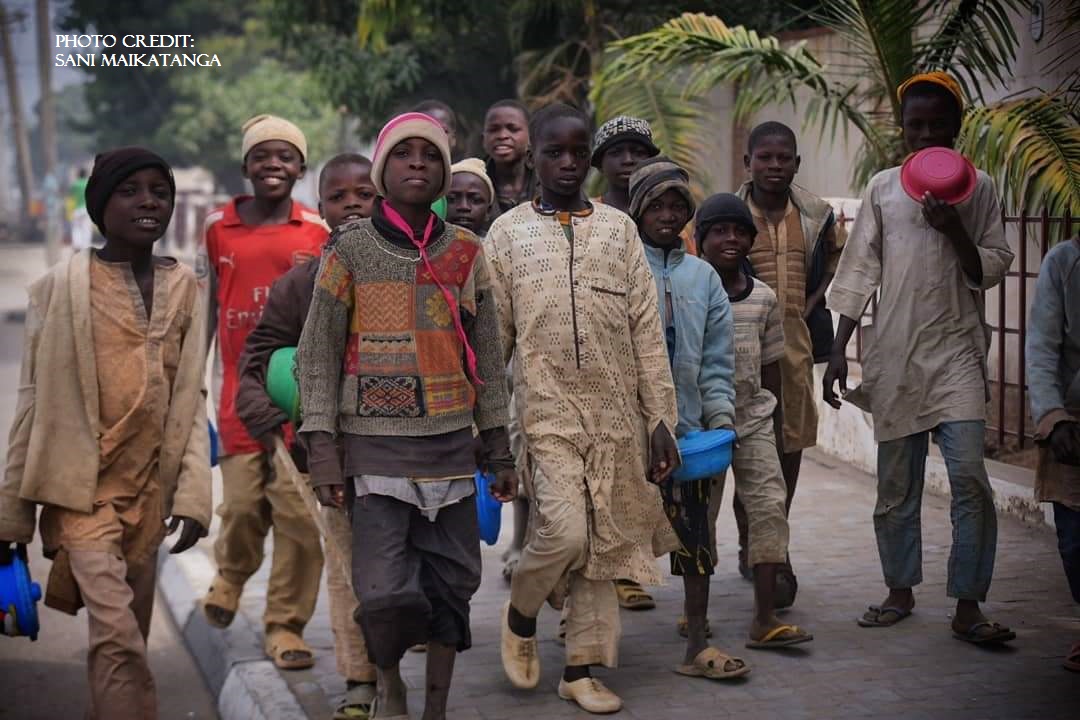
COVID-19: 28 Almajirai repatriated to Kano test positive–Official

Nasiru Yusuf
The chairman of Kano state Task Force on the relocation of almajirai to their states of origin Murtala Garo says 28 out of 1,146 kids brought to Kano from other states have tested positive for COVID-19.
Mr Garo, who is also the state Commissioner for local governments, said 311 other Almajiris were also diagnosed with illnesses like fever, malaria, stomach pain among others.
He made the revelation on Wednesday at the State Task Force on COVID-19 media briefing, held at Africa House, Government House, Kano.
“Your Excellency we took 419 Almajiris to Katsina state, 524 to Jigawa state, 155 to Kaduna state, 38 to Bauchi state and 36 to Gombe state. While we received 179 Almajiris from Adamawa state, 220 from Nassarawa state, 96 from Gombe state, 18 from Katsina, 92 from Kaduna state.

“Out of the 1,146 Almajiris who were tested for COVID-19, 28 of them were tested positive. While 311 were identified with other illnesses like fever, malaria, stomach pain among others. And also over 1,000 Almajiris were arrested roaming about the streets in the metropolis,” the commissioner revealed.
Mr Garo further disclosed that, 723 Almajiris, who are indigenes of Kano state, brought from other states, have been taken to their parents, and would be enrolled to new schools designed to for them.
Crying for home
In his address Mr Ganduje said, henceforth all almajiri schools in the state must comply with the state’s free and compulsory primary and secondary schools education policy.
The governor vowed that all children either Almajiri or non-Almajiri must be in formal schools.
He lamented that some of those Almajiri were even crying, to be taken to their parents.
“Those of them that were Kano indigenes and brought from other states, are being quarantined. Those that are found negative for COVID-19 we take them to their parents. While those that are positive we take them to Isolation Centre.
“We also said whoever insists to run Almajiris school he must follow the guidelines we put in place for running an Almajiri school. Parts of the guidelines include, that, school must have a curriculum which must integrate conventional fields of study, like English, Mathematics and Craft training.”
“Teachers must provide pupils with decent accommodation, good feeding system, they must have qualified teachers, there must be a system of evaluation and control, like quality assurance and there must be system of examination among other guidelines,” Mr Ganduje said.
The governor clarified that, the process was not meant to strip Almajiri teachers off their tutorship, but to integrate them into the mainstream teaching program of their pupils with new set of mentoring system, as teachers.
“Some of those Alarammas (Almajiri Teachers) are being employed and we are going to use them in the schools we are commissioning specifically for Almajiris. We are therefore calling on others to come forward and be recruited to teach in those schools,” the governor revealed.
Decline in COVID-19 cases
On COVID-19, Mr Ganduje revealed that the state is witnessing a decline in the spread of the disease.
He attributed the development to Allah’s intervention and commitment of front line health workers, journalists, traditional and religious leaders among other stakeholders.
“Though we are aware that there is no definite time for the pandemic to leave us completely, but the success story for all of us here is, we are witnessing a decline in the spread of the disease in Kano state.”
“While we should learn to always optimise our compliance with the protocols, we also understand that there are areas that we must strengthen our strategies towards them. Areas like community engagement, is absolutely necessary.
“Our health workers are doing their best and we promise to protect them all the time. So that all the necessary items/equipments needed must be provided as you are all witnessing. Things like Personal Protective Equipments (PPEs) among others.
“We understand that face mask wearing has not gone down to grassroots. So we are producing more Masks through our local tailors, that will help in getting them to grassroots,” he said.





Nasiru Yusuf Ibrahim
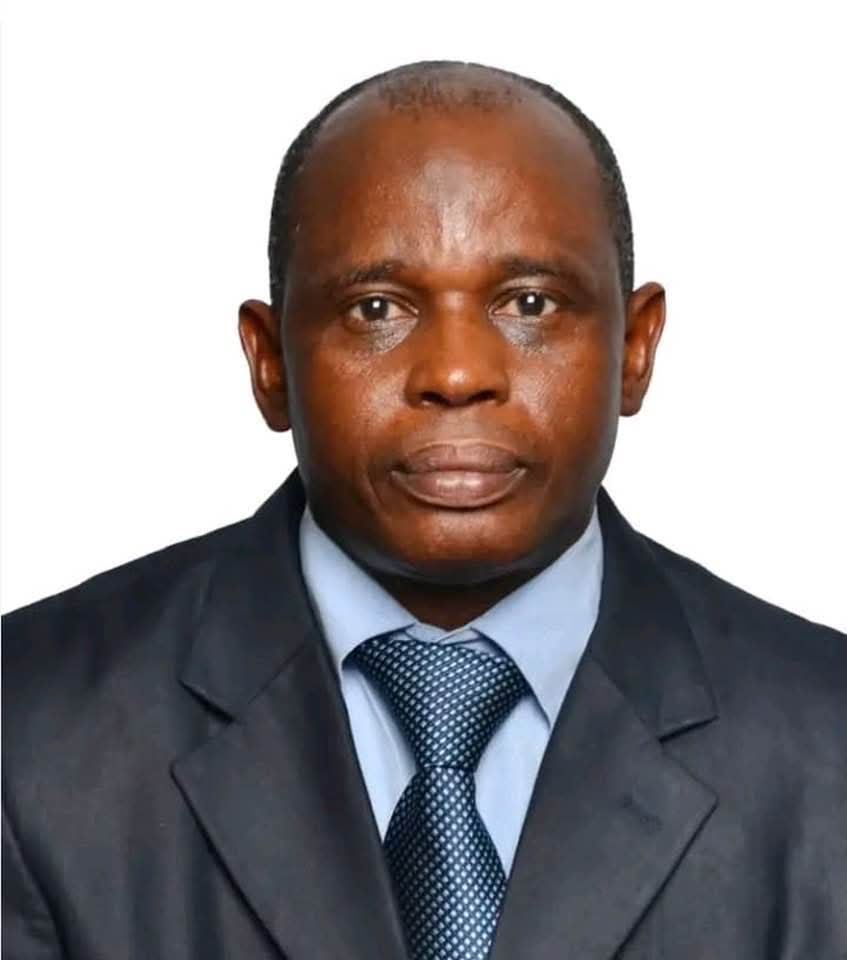
The National President of the Government Arabic Teachers College Gwale Old Students Association (GATCOSA), Professor Kabiru Isa Dandago, is dead.
KANO FOCUS reports that Prof. Dandago, a renowned Professor of Accountancy at Bayero University Kano, died on Wednesday evening. His passing has thrown the academic community and associates into mourning.
In a message shared on GATCOSA’s WhatsApp platform, a Director at the Kano State Ministry of Higher Education, Alhaji Nura Dandago, announced that the funeral prayer for the late professor would be held on Thursday at 9:00 a.m. at his residence in Rijiyar Zaki Quarters, Kano.
Until his death, Prof. Dandago served as the National President of GATCOSA and was widely respected for his contributions to education and public service. He previously served as Commissioner for Finance in Kano State during the administration of former Governor Abdullahi Umar Ganduje.
Just last Saturday, the late academic presented a paper on economic challenges in Northern Nigeria at a Ramadan Lecture organised by the Islamic Forum of Nigeria, where he spoke passionately about strategies for economic reform and regional development.
Colleagues and admirers described Prof. Dandago as a dedicated scholar and public servant who was deeply committed to building a prosperous and self-reliant nation. His death marks the end of a distinguished career in academia and public service.
Nasiru Yusuf Ibrahim
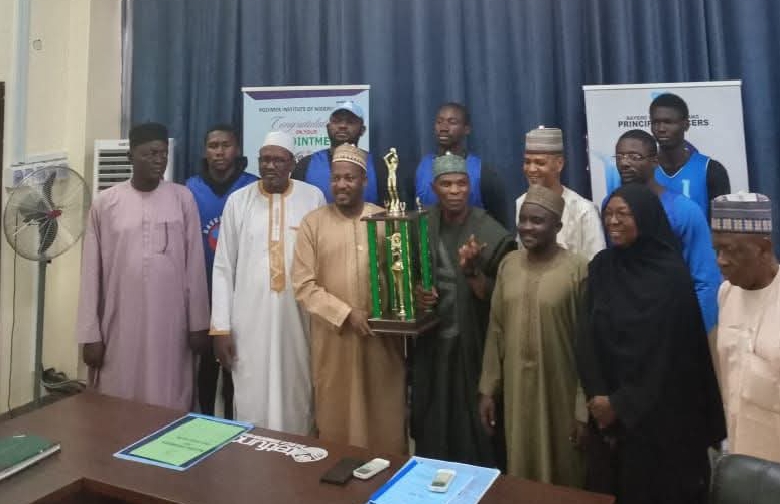
The basketball team of Bayero University Kano (BUK) has emerged champions of the Northwest 3×3 Basketball Championship hosted by Ahmadu Bello University (ABU), Zaria.
KANO FOCUS reports that the victorious team presented the championship trophy to the Vice-Chancellor, Prof. Haruna Musa, following their impressive performance at the tournament, which featured six universities from across Northern Nigeria.
BUK went unbeaten throughout the competition, winning all six matches and sealing the title with a thrilling 20–18 victory over the host institution, ABU Zaria, in the final.
In the group stage, BUK recorded a 10–0 win against Northwest University, Kano, and defeated the Air Force Institute of Technology 33–20. The team also edged the Federal University of Education, Kano, 11–9, before securing another dominant 10–0 victory over the Federal University of Transportation, Daura. They capped their remarkable run with the narrow 20–18 triumph in the final.
The victory marks BUK’s second championship title in the history of the competition, reinforcing the university’s growing reputation in collegiate sports.
Receiving the team, the Vice-Chancellor congratulated the athletes for bringing pride to the institution and urged them to sustain and surpass their current achievements. He reaffirmed the management’s commitment to strengthening sports development in the university and pledged continued institutional and individual support for the players’ sporting careers.
The presentation ceremony concluded with the formal handover of the trophy and cash rewards to the athletes in recognition of their discipline, teamwork and excellence.
Nasiru Yusuf Ibrahim
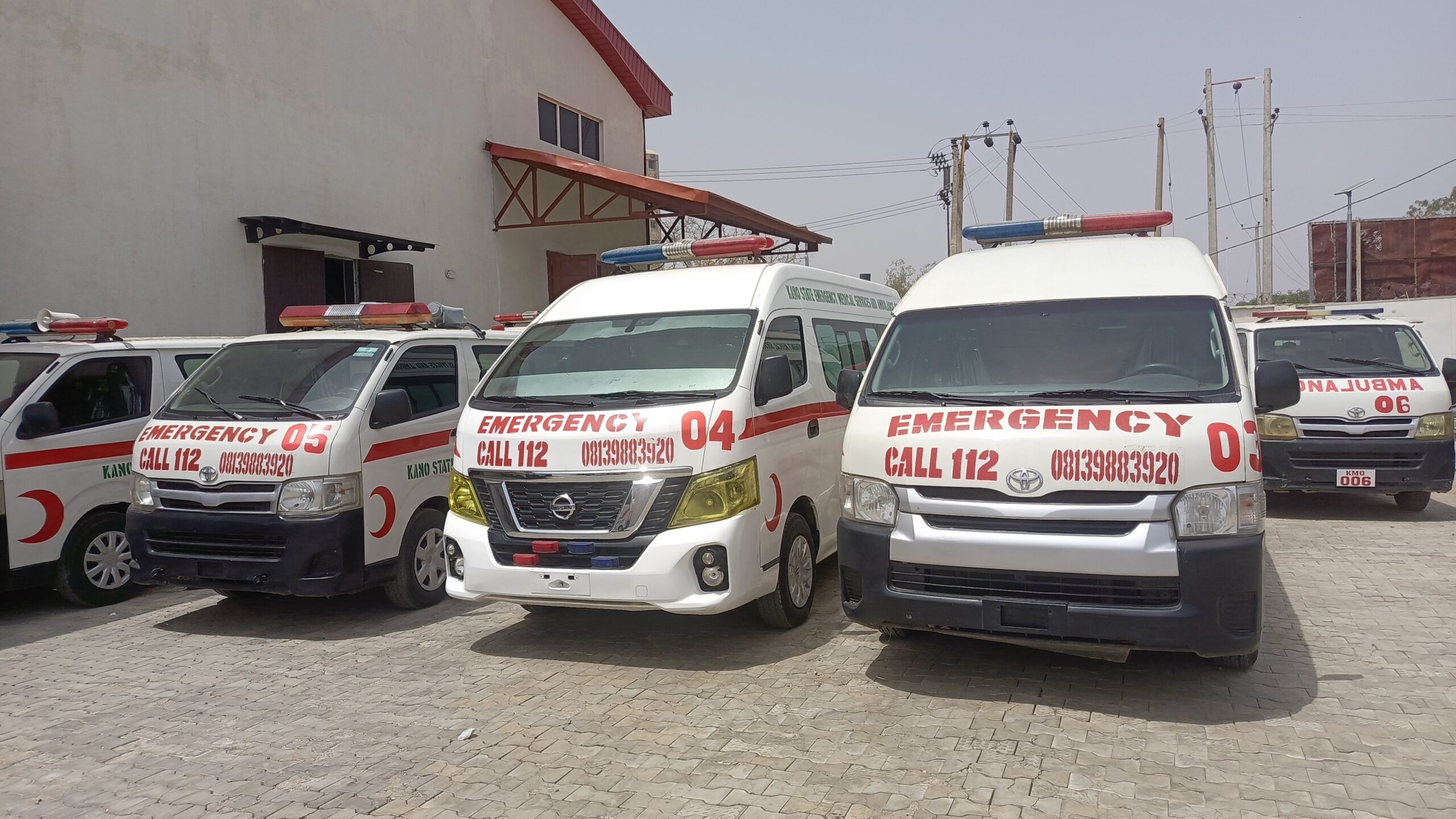
Kano State on Tuesday rolled out the State Emergency Medical Services and Ambulance System (KN-SEMSAS) as part of efforts to strengthen emergency response and improve access to timely healthcare across the state.
Speaking at the ceremony, the Commissioner for Health, Dr. Abubakar Labaran Yusuf, commended the governor for procuring 20 ambulances for the programme, describing the initiative as a strategic step to align the state with ongoing national emergency health interventions. He noted that a formal inauguration of the scheme would be held at a later date.
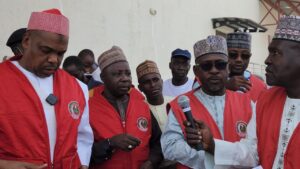
Dr. Abubakar Labaran Yusuf
Dr. Yusuf said the ambulances would play a critical role in transporting pregnant women to hospitals during labour, thereby reducing maternal and infant mortality. He added that any patient conveyed to a hospital through the scheme would have their transportation costs covered by the government.
He also called on members of the Guild of Medical Directors to support the initiative by procuring additional ambulances to complement government efforts.
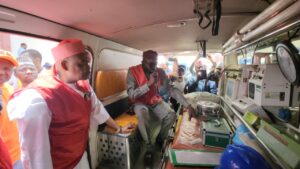
Dr. Abubakar Labaran Yusuf inspecting the ambulances
According to the commissioner, the vehicles are expected to respond to distress calls within the shortest possible time, ensuring prompt medical attention for residents in need.
Dr. Yusuf further stated that KN-SEMSAS would provide free, coordinated pre-hospital and emergency care services statewide. He described the establishment of the system as a major milestone in strengthening emergency medical response, reducing preventable deaths, and improving access to life-saving care for the people of Kano State.
The event was attended by the Director-General of the Drugs and Medical Consumables Agency, Pharmacist Ghali Sule; the Executive Secretary of the Kano State Contributory Healthcare Management Agency (KASCHMA), Dr. Rahila Aliyu Mukhtar; and the Director-General of the Kano State Centre for Disease Control (KNCDC), Prof. Mahmoud Adamu Abbas.
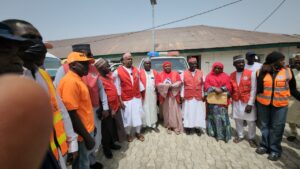
Group Picture
Goodwill messages were presented by representatives of various stakeholders, including the Lafiya Project, the Kano State Accountability Mechanism (KanSLAM), and the Kano State Fire Service, among others.

Abba Care: A Lifeline of Compassion in Kano State

GATCOSA President, Prof. Kabiru Isa Dandago is dead

BUK clinches Northwest 3×3 basketball title at ABU Zaria

Kano rolls out emergency medical services, deploys 20 Ambulances

APC constitutes committees for Kano state congress

Lami Maccido, first person to appear on screens of NTA Kano, CTV 67, dies at 72

Kano begins Ramadan food distribution as Gov. Yusuf constitutes feeding committee

Kano Police announce movement restrictions ahead of assembly by-elections

K-SAFE appeals to Kano Executive Council to pass revised education bill

