
Opinion
Re:Kano govt. a rendezvous with recklessness and executive rascality


By Sanusi Bature Dawakin Tofa
I read with utmost bewilderment an article titled: “KANO GOVT: A RENDEZVOUS WITH RECKLESSNESS AND EXECUTIVE RASCALITY.” My greatest surprise is that such a piece of trash is coming from a journalist with self-acclaimed intellect and versatility like Bala Ibrahim. This is what we see in the Fourth Estate of the Realm when veterans who ought to hold on to objectivity are subjected to the whims and caprices of the drowning opposition elements, after eating fat from portions of state funds embezzled by their paymasters while in-charge of the affairs of the state and the commonwealth of the people.
Having dined and wined with the immediate-past administration of Dr. Abdullahi Umar Ganduje, who has a number of cases of fraud and corruption to answer, Bala Ibrahim will be the least person to see anything good in the New Nigeria People’s Party (NNPP) administration in Kano, under the able leadership of His Excellency, Alhaji Abba Kabir Yusuf (Abba Gida Gida), the people’s Governor.
Does Bala Ibrahim actually understand the workings of government and governance? This is one question begging for answer. I do not want to go into judicial pronouncements, but the point I want to make clear is that the issue of Kano Emirship is straightforward with the repeal of the Kano Emirate Law (2019), enactment of Kano Emirate Law (2024), which gave Governor Yusuf the POWER to abolish the five Emirates and return Kano to its glorious and historic position of one EMIRATE (this is the wish of the good people of Kano state). The re-appointment of His Highness, Emir Muhammad Sanusi 11 did not also come to anyone as a surprise because his dethronement and consequent banishment by Ganduje and his co-travellers was done out of malice.
Now calling for the arrest of dethroned Emir Aminu Bayero was only done for public good as his entrance into Kano, shortly after his dethronement posed a serious security threat which is being managed up till today. Governor Yusuf remains the Chief Security Officer of Kano state, and no sane leader will fold his arms and watch Kano snowballed into a state of anarchy without taking action.

Again, the demolition of buildings and structures illegally acquired by former Governor Ganduje, his family and friends was an exercise carried out in good faith. It was an exercise pegged on the efforts to recover public property from the hands of very few individuals who believed they can pocket public funds, structures and resources and get away with them without giving a wink. We will not be deterred by propagandists like Bala Ibrahim doing the bidding of their paymasters, at the detriment of the welfare of the good people of Kano state and the socio-economic development of our dear state.
Indeed, it is childish of Bala Ibrahim to keep mentioning the rift between the Deputy Governor, His Excellency, Comrade Aminu Abdulsalam Gwarzo and the National Security Adviser (NSA), Malam Nuhu Ribadu, which has been amicably settled by the two leaders. Who does he want to impress. In times like this, it is common for leaders to have misunderstanding, and also move on after ironing out issues. Now, who is Bala Ibrahim to query the Deputy Governor over his intention to apologise to the NSA in the spirit of brotherhood, and as a devout Muslim?
Bala Ibrahim’s, “rendezvous with recklessness and executive rascality,” will only gain weight and acceptance in the figments of his own imagination, when he has refused of appraise the uncommon achievements of Governor Abba Kabir Yusuf, even in the face of needless distractions by the weakened and frustrated opposition elements.
Recently, Governor Yusuf declared a State-of-Emergency on education in Kano state. This action was taken to revive the state’s education sector which was killed and almost buried by the immediate-past administration. In that occasion, Governor Yusuf made certain revelations on the state of our ailing education sector and what the government is doing to salvage it. Radical but practical measures are being taking to reposition education in our State.
There is no gainsaying the fact that our beloved State is witnessing an alarming proliferation of out-of-school children, (with the current figure standing at 989,234 children of both genders), a situation that threatens to rob an entire generation of their right to education and a brighter future. The statistics are grim and the faces of these children, devoid of the promise of learning, haunt us as a collective failure. Our schools, which should be sanctuaries of knowledge, discipline and growth, are in a deplorable state. Dilapidated infrastructure is a common sight—roofs caving in, walls crumbling, and classrooms that can no longer provide a safe and conducive learning environment. The
lack of instructional materials further
compounds the problem, leaving our teachers and students to struggle with outdated and insufficient resources. Above 4.7Million pupils are sitting on bare floors to take lessons while about 400 schools have only one teacher for all classes subjects and all pupils. Rather than building more classrooms and providing basic furniture in the schools, as well as hiring more teachers, the immediate-past administration chose to butcher the land belonging to those schools, in some places demolishing classrooms to create space for shops. Those schools that they could not sell, they closed them down and got them vandalized
The encroachment of public school lands and the conversion of these vital institutions into private business premises is an affront to our communal values and a direct assault on our commitment to public education. This reckless appropriation of educational spaces for commercial use is unacceptable and Governor Yusuf is ready to stop it no matter whose ass is gored.
In Kano, we have the vast expanse of educational facilities that dotted our landscape including: 7,057 primary schools, 1,148 junior secondary schools, 813 senior secondary schools, and 49 science and technical schools. These numbers, while ostensibly impressive, belie the grim reality that lies beneath the surface. Let us delve deeper, and you will discover disheartening statistics: out of the 42,516 total classrooms available in our basic schools, a mere 22% meet the most basic standards of habitability. Let us pause to contemplate the implications of this revelation. Nearly four out of every five classrooms in our primary and junior secondary schools are marred by dilapidation and disrepair, rendering them unsuitable for the noble pursuit of knowledge.
In our senior secondary schools, the picture remains bleak. Here, less than 30% of classrooms can be deemed habitable, leaving a significant portion of our student population to grapple with inadequate facilities that impede their intellectual growth and development. In our science and technical schools, the bastions of innovation and ingenuity. Unfortunately, the situation here is even grimmer, with less than 20% of classrooms meeting the most basic criteria for habitability. How can we hope to nurture the next generation of scientists and engineers when the very environments in which they are meant to learn are rife with inadequacies and deficiencies?
As part of Governor Yusuf’s commitment to revitalizing education in Kano State, the administration has allocated an unprecedented 29.95% of our 2024 budget to education. This decision is based on the realization that only significant allocation of financial resources would address most of the hydra-headed problems afflicting our educational system, largely centered around under-funding. In his bid to revitalize the basic and post-basic education sub-sectors in the State, Governor Yusuf restored the upkeep and overhead funds for all secondary schools in the State. This injection of funds will enable the
schools to maintain their infrastructure,
procure essential teaching and learning
materials, and ensure the overall conducive teaching and learning environment that our
students deserve.
Furthermore, in recognition of the pivotal role of practical education in nurturing innovative minds, Governor Yusuf has unveiled plans for building an additional 300 state- of-the-art laboratories in 100 schools across the state. The provision of these facilities will provide our students with hands-on experience in scientific inquiry, fostering a culture of experimentation and discovery that is essential for their future
success. This is in addition to another 300 laboratories that will be comprehensively overhauled in 100 secondary schools.
Governor Yusuf’s administration is also constructing 1000 classroom across the State within the next academic session. This measure will, no doubt, mitigate classroom congestion that has become a common feature of most of our schools. He has also directed that all contractors handling inherited abandoned projects in tertiary institutions should go back to site immediately.
Governor Yusuf’s administration’ has also ordered the reopening of all the boarding schools, that were shut down by the immediate past administration. These schools will be reopened and re-boarded within the next academic year. Boarding schools play a crucial role in providing a supportive environment for students, particularly those from remote areas or economically disadvantaged backgrounds. By reopening these institutions, we are expanding access to quality education and creating opportunities for students to thrive academically and sociallly.
One of Governor Yusuf’s vision statement is to make, “Every School, a good school.” He intends to make every public school in the state a good school with decent and standard infrastructure for teaching and learning as well as adequate, qualified and well-motivated teachers and support staff. Already, he has approved for the comprehensive renovation of all primary and junior secondary schools in all the 44 Local Government Council. This renovation will include providing students seats, painting, refurbishing toilets and staff offices. This exercise will be completed in the next two academic sessions. CRC, Kwankwasiyya, Lafiya Jari, and Kano Pro-PA will be responsible for handling minor repairs while Ministry of Education and SUBEB will shoulder all major repairs through competitive bidding.
The next statement of vision is: “Every child, enrolled in school.” In essence this is our expression of commitment to clear all out of school children from our streets and get them enrolled in schools. To achieve this, we must first of all provide classroom accommodation to house all the 989,234 out-of-school children in the State. A total of 28,264 classrooms will be built in the next three years across the State. The Ministry of Education and SUBEB will supervise the issuance of the works through competitive bidding while the Ministry for Project Monitoring will monitor execution and compliance.
The next statement in the vision is: “Every student, an engaged learner”
This requires the provision of modern, state-of- the-art teaching support services and tools. To keep pupils in schools and attentive in their classrooms, we would commence the distribution of one-meal per pupil per day in all primary schools. This would be a joint effort between state government, local government, development partners, philanthropists and host communities. Already, the Community Reorientation Committee (CRC) of the state has been directed to commence preparation and the hiring of cooks for the home-grown school feeding program. We would also re-introduce the distribution of free uniforms to all primary I pupils in all our primary schools.
During his tenure, His
Excellency, Senator Rabiu Musa Kwankwaso selected some private Universities across the country where scores of our students were sponsored for their first degree. Although these students graduated with good results, the immediate past administration refused to settle their tuition fees and left them for four years without being able to participate in the one year mandatory youth service scheme. Governor Yusuf has settled all the tuition fees and they have collected their certificates. The Universities include: Bells University Otta, Crescent University, Abeokuta, ABTI University, Yola, Igbenidion University, Okada and Al- Qalam University, Katsina.
Governor Yusuf adminstration met
a backlog of liability of examination fee to the tune of over N1.3billion which have been paid and got Kano State students registered for NECO and NBAIS. Alhamdulillah! This year, Goverjor Yusuf administration has approved for the payment of NECO and NBAIS registration fees to the tune of over N2.9Billion for 121,597 students that have four Credits in their Qualifying Examination in our public schools. This is apart from restoration of foreign scholarship programmes where Kano indigenes are currently doing their second degree studies in India, Egypt and other parts of the world.
Relating to health, Governor Yusuf administration has restored the Hasiya Bayero Pediatric hospital. The renovation of Nuhu Bammalli, Bela, and Nassarawa Specialist hospitals are ongoing. The free Pediatric and Maternity care programmes have also been restored. The Murtala Specialist hospital has been renovated. Ambulances have been distributed across the 44 Local Government Areas for easy movement of patients to hospitals across the state. Indeed, hospital renovations and restorations contribute to healthcare infrastructure development. Free Pediatric and Maternity care aligns with adequate health service delivery. Ambulance distribution supports emergency healthcare.
In human capital development, Governor Yusuf has restored the free weddings sponsorship. Over N4 billion was allocated for procurement of palliatives which are shared to the less privilege people across the 44 Local Government Areas of the state irrespective of political and religious affiliations. Islamic study schools have been reopened. Technical Colleges and Skills Acquisition Centres have also been reopened. It is important to note that free weddings and empowerment programmes contribute to social well being of the people, palliative allocations addresses economic vulnerability, while re-opening of educational and skill acquisition Centres align with human capital development.
In infrastructural development, Governor Yusuf has commenced renovation and construction of abandoned roads across the state. Street lights have been restored in streets across Kano metropolis, bringing down the wave of crime and as well, beautifying our great state, particularly in the night. Governor Yusuf has also commenced the construction of two mega flyovers that will ensure traffic decongestion and give Kano its pride of place as a mega commercial city. The administration is also ensuring renovation of many government infrastructures and restoration of clean and portable water supply. There is no gainsaying the fact that infrastructural development contribute to economic development. Street lights enhance urban infrastructure, while adequate water supply aligns with sustainable development.
Space may not allow me to mention all that have been achieved in agriculture, Internally Generated Revenue (IGR) drive, establishment of the state Gross Domestic Product (GDP) under the state Bureau of Statistics, strengthening the Kano Bureau of Statistics to report monthly inflation rates and consumer Price index, updating of the social register, overhaul of the state civil service, prompt payment of civil servants salaries and pensions to pensioners which recently earned Governor Yusuf award as the best pension-friendly Governor, recruitment and training of over 2, 600 civil servants, among others.
There is a saying that, “any government without criticism is dead before it begins.” Governor Yusuf’s administration’ welcomes and appreciates criticism, but frowns at critics like Bala Ibrahim who are always induced by slices of bread laced with butter and a cup of tea with too much sugar. I urge him to take a deep look at Governor Yusuf’s uncommon style of governance and imagine how it will restore the lost glory of Kano within the next four years, and beyond.
Sunusi Bature Dawakin Tofa is the spokesperson to Governor Yusuf/ Director-General, Media and Public Relations, Government House, Kano

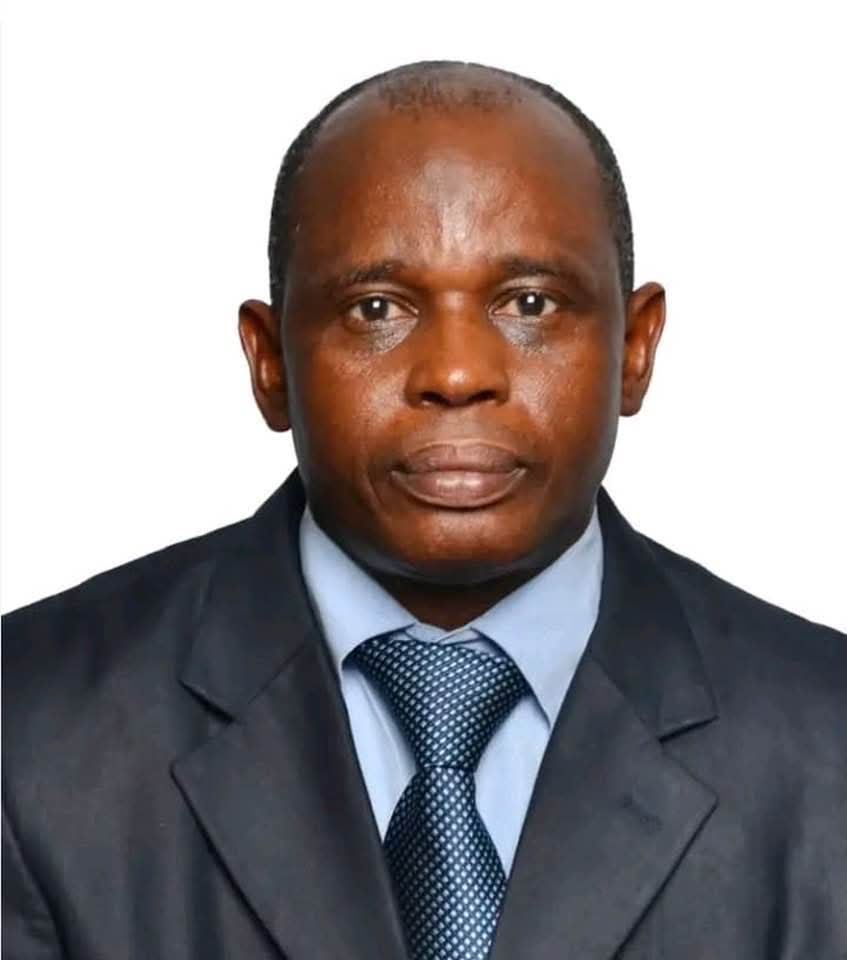
Lamara Garba
A deep wave of disbelief and sorrow swept through Bayero University, Kano, the moment the tragic news began to circulate. Offices fell unusually silent, lectures paused in uneasy whispers, and clusters of staff and students gathered across the campus seeking confirmation of what many feared was true.
Faces reflected shock and grief as the heartbreaking news filtered through the university community that Professor Kabiru Isa Dandago had passed away. For many, it felt almost unreal that a man whose presence symbolised humility, warmth, and intellectual guidance within the institution was suddenly gone.
Professor Kabiru Isa Dandago passed away on Wednesday, 4th March 2026, at the age of 63, leaving behind a legacy defined by scholarship, service, and compassion. His departure represents not only the loss of a distinguished Professor of Accounting but also the passing of a man whose life was devoted to the pursuit of knowledge, mentorship, and the upliftment of others.
Indeed, his passing marks the quiet departure of a quintessential Dandago, a man whose life was woven with simplicity, sincerity, and uncommon generosity.
Those who knew him closely often spoke first of his character before mentioning his impressive academic achievements. Despite his towering reputation as a scholar, Professor Dandago remained remarkably approachable. His friendliness was genuine, his humility disarming, and his conduct consistently reflected deep respect for others. Titles and positions never created barriers between him and the people around him.
Whether engaging senior colleagues, junior staff members, or students, he displayed the same warmth and simplicity that endeared him to many. Above all, he was deeply God-fearing. His life reflected strong moral values rooted in faith, sincerity, and compassion. In him, intellect walked hand in hand with humility, and knowledge was always guided by conscience.
His acts of altruistic benevolence knew no bounds.
Just about a week before his passing, an incident occurred that now carries deep emotional significance. Members of our non-governmental organisation, the Raa’ayi Initiative for Human Development, were mobilising resources for one of our humanitarian traditions. The organisation periodically raises funds to purchase food items for families of deceased colleagues who may be struggling silently after losing their loved ones.
Professor Dandago was among the first to respond.
Not only did he send his contribution promptly, but his donation also turned out to be the highest among more than one hundred members of the Raa’ayi Initiative. Even after making his personal contribution, he encouraged other members to support the project so that the target could be achieved and the families assisted meaningfully.
Unknown to him, he was making what would become his final contribution to the Raa’ayi project.
Today, that gesture stands as a powerful reflection of the generosity that defined his life. The man who was helping families of deceased colleagues did not know that he himself would soon be mourned by the same community. In giving comfort to others, he was unknowingly writing the final line of his own story of kindness.
Within Bayero University, Kano, his influence was both profound and lasting. One of the enduring legacies associated with him is the strong mentoring culture within the Faculty of Management Sciences, formerly the Faculty of Social and Management Sciences. Several years ago, he played an important role in strengthening a mentoring system that has since guided many young academics and students.
He firmly believed that institutions grow when experienced scholars patiently guide younger minds. Many lecturers today acknowledge that their professional journeys were shaped by his advice, encouragement, and fatherly support.
Another notable contribution under his influence was the introduction of the student ICAN programme. Through this initiative, students were encouraged to pursue professional certification with the Institute of Chartered Accountants of Nigeria while still undertaking their undergraduate studies. Today, more than fifty students have successfully obtained ICAN qualifications alongside their degrees, reflecting Professor Dandago’s vision of producing graduates who are both academically sound and professionally competitive.
According to the Dean of the Faculty of Management Sciences, Professor Muhammad Aminu Isa, the faculty has lost a great pillar whose presence contributed immensely to unity and stability. He noted that Professor Dandago consistently worked towards strengthening cooperation among staff while always seeking ways to advance the growth and progress of the faculty and the university.
Born on April 5, 1963, in Dandago Quarters of Gwale Local Government Area of Kano State, he joined Bayero University in September 1990 and rose through the ranks to become Professor of Accounting in 2007. Over more than three decades of service, he held several academic and administrative positions, including Head of the Department of Accounting and later Dean of the Faculty of Social and Management Sciences.
A prolific scholar, he authored over thirty books and published more than eighty-five academic articles while supervising numerous postgraduate students, including doctoral candidates. His intellectual contributions extended beyond the university, as he also served as Federal Commissioner at the Tax Appeal Tribunal and earlier as Commissioner for Finance in Kano State.
Only days before his passing, Professor Dandago delivered what would become his final public lecture. On Saturday, 28th February 2026, he spoke at the 10th Ramadan Lecture organised by the Islamic Forum of Nigeria. In that lecture, he reflected on the pathway to economic development in the northern region, carefully identifying the roots of the region’s economic challenges while proposing thoughtful solutions for sustainable progress.
In mourning the distinguished scholar, the Vice-Chancellor of Bayero University, Kano, Professor Haruna Musa, fsi, described the late Dandago as a complete gentleman, an honest and committed academic whose contributions significantly shaped the growth and reputation of the university.
The Vice-Chancellor noted that Professor Dandago was more than a scholar; he was a mentor and a steady hand in university administration whose calm disposition, integrity, and willingness to support colleagues earned him admiration across the institution.
“His passing leaves a vacuum that will be difficult to fill,” Professor Musa said, while praying that Almighty Allah forgives his shortcomings and grants him Aljannatul Firdaus.
Thousands of mourners later gathered for his funeral prayers in Kano, reflecting the deep respect and affection he commanded across academic, professional, and community circles.
Yet in reflecting on the life of Professor Kabiru Isa Dandago, one timeless truth quietly emerges: life is not measured by the length of years alone, but by the depth of the footprints one leaves behind. Some lives pass like fleeting shadows, barely touching the edges of memory. Others, like that of Professor Dandago, glow with purpose, kindness, and service, leaving behind a light that continues to guide long after the bearer of the light has gone.
Though his years were sixty-three, the influence of his life stretches far beyond the boundaries of time. In the minds he shaped, the hearts he inspired, and the values he lived by, the quintessential Dandago will continue to endure.
May Almighty Allah forgive his shortcomings and grant him eternal rest in Aljannatul Firdaus. Ameen.
Lamara Garba
Director of Public Affairs
Bayero University, Kano

Yunusa Hamza Farin Dutse
Leadership, in its truest sense, transcends the mere occupation of public office. It is defined not simply by authority, but by the character, discipline, and sense of purpose that leaders bring to governance. In Nigeria’s evolving democratic landscape, the question of leadership quality remains central to national discourse. Citizens increasingly seek leaders whose actions reflect integrity, accountability, and a genuine commitment to public service.
Within this context, two contemporary public figures stand out for the clarity of their convictions and the strength of their leadership identities: the National Security Adviser, Nuhu Ribadu, and the Governor of Jigawa State, Mallam Umar Namadi. They represent distinctive yet complementary approaches to leadership and governance. Although they operate in different spheres of responsibility—one at the national level and the other within the subnational space—their leadership styles demonstrate how personality and character shape policy direction and governance outcomes.
Nuhu Ribadu’s public identity has for decades been closely associated with courage, reformist zeal, and an uncompromising stance on accountability. His rise to national prominence began during his tenure in the anti-corruption fight, where he earned a reputation as a principled reformer determined to challenge entrenched systems of abuse and impunity.
Today, as National Security Adviser, Ribadu occupies one of the most strategic positions within Nigeria’s governance architecture. In this role, his leadership style continues to reflect the same attributes that defined his earlier public service. Discipline, institutional thinking, and strategic focus remain central to his approach.
Ribadu embodies a leadership persona grounded in firmness and clarity of purpose. His approach prioritises strong institutions, coordinated security structures, and long-term national stability. Rather than seeking personal acclaim, his leadership reflects a technocratic orientation driven by systems, procedures, and institutional discipline.
In times of national uncertainty, particularly within the complex terrain of security management, such traits inspire confidence. Ribadu’s public persona communicates seriousness of purpose and a commitment to confronting threats to national stability with resolve and strategic coordination. His leadership reminds observers that effective governance often requires leaders who are willing to confront difficult realities while strengthening the institutional frameworks that sustain the state.
While Ribadu’s leadership operates within the high-stakes arena of national security, Governor Umar Namadi represents a different yet equally significant model of leadership at the state level. His governance approach reflects humility, accessibility, and a deep commitment to grassroots engagement.
Governor Namadi has placed considerable emphasis on dialogue between government and citizens. One of the most notable initiatives under his administration is the Citizens’ Engagement Programme, popularly known as Gwamnati da Jama’a. Through this initiative, citizens across Jigawa State’s twenty-seven local government areas are provided with a platform to directly express their needs, concerns, and expectations to government officials.
The programme also allows the government to communicate its ongoing projects and policy priorities to the public. In doing so, it has strengthened transparency, accountability, and citizen participation in governance. By opening channels of communication between leaders and the people, the initiative reinforces democratic values and strengthens public trust in government institutions.
Governor Namadi’s leadership identity is also distinguished by what may be described as developmental pragmatism. His administration has focused on practical governance outcomes, including infrastructure development, institutional strengthening, and policies aimed at improving the socio-economic well-being of citizens.
Rather than relying on political slogans, personality-driven politics, or inherited partisan loyalty, the governor has built his political relevance around governance performance. This approach has contributed to a governance narrative that emphasises steady progress, responsible management of public resources, and the pursuit of sustainable development.
In a political environment where rhetoric often overshadows implementation, the emphasis on measurable outcomes represents a refreshing shift. By prioritising delivery over declaration, Governor Namadi has demonstrated that performance in governance can serve as a powerful instrument of political legitimacy.
Equally important is the political dimension of his leadership. At the level of party politics, Governor Namadi has demonstrated calculated political organisation through the consolidation of party structures and grassroots mobilisation. These efforts have strengthened political stability while reinforcing the influence of the All Progressives Congress within the state.
Notably, this consolidation has been achieved largely through governance-driven legitimacy rather than coercive political tactics. Development initiatives and social programmes have simultaneously served as instruments of public service and sources of political credibility. In this sense, governance outcomes have become central to sustaining public support.
When viewed together, the leadership trajectories of Nuhu Ribadu and Umar Namadi illustrate two complementary dimensions of governance in Nigeria. Ribadu symbolises national vigilance, reform-oriented thinking, and institutional discipline within the country’s security architecture. Namadi represents grassroots engagement, stability, and pragmatic development within the framework of subnational governance.
While Ribadu operates within the strategic theatre of national security management, Namadi functions within the practical laboratory of state administration. Yet despite these differences, both leaders share common attributes that define effective leadership. Discipline, commitment to reform, and a clear departure from empty political rhetoric are among the traits that connect their approaches.
Their contrasting styles also illustrate an important truth about leadership: governance is multidimensional. At certain moments, leadership requires firmness and the courage to confront systemic threats. At other times, it demands patience, dialogue, and the steady construction of development frameworks that improve the lives of citizens.
Ribadu’s leadership energy is largely directed toward confronting threats and strengthening institutional resilience. Namadi’s leadership focuses on building structures that promote social progress and economic stability. Together, these approaches highlight the different but equally important roles that leadership can play within a functioning democracy.
Ultimately, the examples of Nuhu Ribadu and Umar Namadi underscore a fundamental lesson for Nigeria’s leadership culture. Leadership that is anchored in character often proves more enduring than leadership driven solely by charisma. Institutions grow stronger where leaders choose structure over spectacle and governance over personal acclaim.
As Nigeria continues to navigate complex governance challenges, the importance of disciplined and purposeful leadership cannot be overstated. The experiences of Ribadu and Namadi demonstrate that effective leadership does not always announce itself loudly. Sometimes it appears in decisive action to protect national stability; at other times, it emerges through patient engagement with citizens and the steady pursuit of development.
In both cases, the defining factor remains the same: leadership is most impactful when it is authentic, disciplined, and aligned with the responsibilities of public office. In a democratic society striving for stronger institutions and accountable governance, such leadership remains not only desirable but essential.
Yunusa Hamza (Tafidan Farin Dutse)
Gwaram Local Government Area Jigawa State
08034445493
yunusafarindutse@gmail.com

Lamara Garba Azare
In Kano State, compassion has found structure. It has found funding. It has found direction. Under the leadership of Governor Abba Kabir Yusuf, healthcare is no longer a privilege negotiated by wealth; it is a right strengthened by policy. What is unfolding across the state is more than reform. It is a moral commitment woven into governance. It is Abba Care.
At the heart of this transformation is the introduction of free antenatal care and free delivery services for pregnant women in public health facilities. For countless families, this single decision has lifted a burden carried in silence for years. Pregnancy, once shadowed by fear of hospital bills, is gradually becoming a journey supported by public responsibility.
A visit to Murtala Muhammed Specialist Hospital in the heart of Kano tells the story better than statistics ever could. The maternity sections are vibrant with activity. Pregnant women arrive daily for routine checks, scans and medical consultations. The waiting areas are filled not with despair, but with expectation. The large turnout reflects renewed trust in government facilities. It demonstrates that when care is made accessible, citizens respond.
The visible reduction in maternal mortality in the state is no accident. It is the natural outcome of access. When women attend antenatal clinics regularly, complications are detected early. When deliveries take place in properly equipped facilities under trained supervision, risks are significantly reduced. Lives are saved quietly, steadily and consistently.
But Abba Care goes beyond maternity services. Through the initiative and the Basic Health Care Provision Fund interventions, free medical services are extended to pregnant women, children under five, sickle cell patients, the elderly aged 65 and above, and persons living with disabilities. It embraces those who often stand at the fragile edges of society. It ensures that vulnerability does not translate into abandonment.
Beyond direct service delivery, the administration has deliberately strengthened and revitalised key health institutions. While the Kano Health Trust Fund and the Drug and Medical Consumables Supply Agency predated the current administration, they have received renewed direction and operational momentum.
When this government assumed office, drug availability in public health facilities stood at below 30 percent. Today, availability has risen to over 95 percent, ensuring that patients who visit government hospitals are far more likely to receive the medicines prescribed to them. That shift has restored confidence in public facilities and reduced the burden of out-of-pocket spending.
Similarly, the Kano Health Trust Fund, once relatively unknown within the system, has emerged as a strong pillar of support across the sector. The Fund provides financial backing to primary, secondary and tertiary health facilities. It supports health-related Ministries, Departments and Agencies and extends assistance to health training institutions. In doing so, it strengthens infrastructure, manpower development and service delivery across multiple levels of care.
Most significantly, the recent establishment of the Kano State Centre for Disease Control has positioned the state as a pioneer in subnational health security, making Kano the first in Nigeria to create such a structure with regulatory authority over communicable and non-communicable diseases. Together, these institutions form a coordinated framework that reinforces the government’s commitment to quality, accessible and resilient healthcare delivery.
Speaking on the mandate of the Centre, its Director-General, Prof. Muhammad Adamu Abbas, described the agency as a defining milestone in the state’s public health journey. He explained that the Centre is designed not only to respond to outbreaks but also to strengthen surveillance systems, coordinate rapid response teams, regulate disease control programmes and deepen community engagement in prevention efforts. According to him, the agency has already undertaken case management activities, public sensitisation campaigns and field investigations in communities where suspected infectious diseases were reported. He reiterated its commitment to preparedness, transparency, scientific evidence and strong collaboration with partners and stakeholders.
Equally reassuring is the Kano State Emergency Medical Services and Ambulance System (KN-SEMSAS). This initiative provides free emergency response and treatment to victims of automobile accidents, gunshot wounds, violent attacks and other critical situations. Pregnant women in distress, patients with hypertension, people living with HIV and individuals battling terminal illnesses are attended to without hesitation over payment. In moments when seconds matter, government intervention becomes the difference between survival and tragedy.
The circle of compassion widens further. Inmates of correctional and rehabilitation homes, as well as elderly residents in Shahuci homes, are also beneficiaries of free medical services. These are citizens who might otherwise be overlooked in policy conversations. Yet under this administration, they are remembered, included and protected.
There is philosophy in this approach. A government reveals its character by how it treats the weakest among its people. When the elderly can access treatment without fear of cost, dignity is restored to ageing. When children under five receive free care, the foundation of the future is strengthened. When persons living with disabilities are covered, inclusion becomes practical rather than rhetorical.
Governor Abba Kabir Yusuf’s leadership style reflects calm resolve. He does not merely speak about compassion; he institutionalises it. Abba Care is not charity. It is structured empathy translated into sustainable intervention. It recognises that public office is a trust and that power must bend toward the protection of life.
Across Kano, families now speak with relief rather than anxiety. A father no longer calculates whether he can afford treatment for his sick child. A mother no longer postpones clinic visits due to registration fees. An elderly citizen walks into a health facility knowing that age has not diminished his worth in the eyes of government.
Healthcare reform may appear technical on paper, filled with acronyms and budgets. On the ground, however, it is deeply human. It is the smile of a discharged patient. It is the cry of a newborn delivered safely. It is the quiet gratitude of a grandmother whose blood pressure is managed without financial strain.
Abba Care represents a broader belief: that development must begin with people. Roads and buildings matter, but healthy citizens matter more. By investing in maternal health, emergency services, chronic illness care and protection for the vulnerable, Kano State is shaping a future anchored in human wellbeing.
Since the introduction of this policy, the impact is visible. Confidence is growing. Trust between government and the governed is deepening.
More importantly, in safeguarding mothers, children, the elderly, the sick and the marginalised, Kano safeguards tomorrow. Abba Care stands not merely as a policy, but as a living reminder that leadership, when guided by humility and compassion, can touch lives in the most profound ways.
Lamara Garba Azare, a veteran journalist, writes from Kano.

BUK probes student over alleged Facebook fraud

Gov. Yusuf relieves Kano Head of Service of appointment

Disabled student seeks urgent fix for faulty elevator at Northwest University Kano

Resident raises concern over rising lawlessness, poor urban planning in Kano

Kwaru Foundation Provides Free Eye Care to Over 1,100 Residents in Kano

Lami Maccido, first person to appear on screens of NTA Kano, CTV 67, dies at 72
Kwaru Foundation Provides Free Eye Care to Over 1,100 Residents in Kano

K-SAFE commends Kano for timely school census, inclusion of non-formal education data

Kano to distribute 16,906 desks to primary schools in 13 LGAs

