
Headlines
Kano CSOs Hold Town Halls to Shape 2027 Budget

Nasiru Yusuf Ibrahim
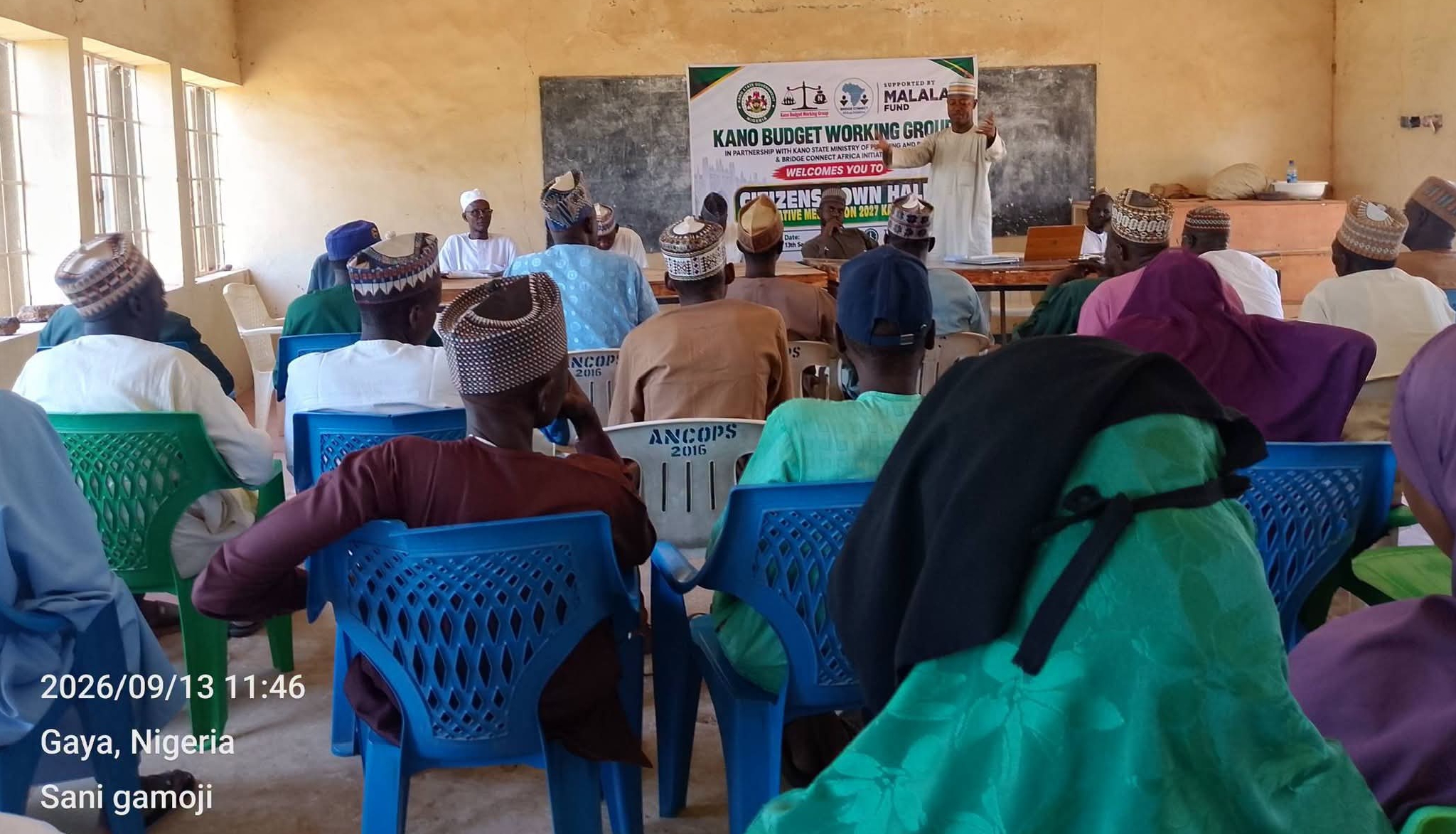
Civil Society Organisations (CSOs) under the Kano Budget Working Group have conducted citizen townhall meetings across five strategic clusters in Kano State to collate residents’ priorities for possible consideration in the 2027 state budget.

KANO FOCUS reports that the consultations were organised in partnership with the Kano State Ministry of Planning and Budget and the Bridge Connect Africa Initiative, with citizens, community representatives and other stakeholders participating in the exercise.
The townhall meetings were held across the Kano, Gaya, Karaye, Rano and Bichi clusters, where participants identified, discussed and prioritised development challenges affecting their communities.
The exercise was conducted in line with Section 10(3) of the Kano State Public Financial Management Law, 2020, which provides for the collation of citizens’ inputs for possible incorporation into the state budget.
The organisers said the consultations provided a platform for citizens to directly communicate their development priorities and contribute to the state’s budget preparation process.
The five clusters were facilitated by designated CSO representatives. The Kano Cluster was headed by Salisu Yusif, supported by Garzali Ungwaggo; Gaya Cluster by Dr Abdussalam Kani, supported by Idris Nuhu Gaya; Karaye Cluster by Sagir Chedi, supported by Ismail Kanye; Rano Cluster by Akibu Hamisu; and Bichi Cluster by Safiya Bichi.
Representatives of the Kano State Ministry of Planning and Budget and Bridge Connect Africa Initiative participated in the consultations and emphasised the importance of inclusive citizen engagement, participatory planning and responsive budgeting.
During the sessions, participants were taken through the meaning and importance of public budgeting, including how government revenue is allocated to programmes, projects and public services.
They were also introduced to the various stages of the budget cycle, including planning, preparation, legislative review and approval, assent, implementation, monitoring and evaluation.
The facilitators stressed that citizens’ participation should not end with the submission of budget proposals but should continue through the implementation, monitoring and evaluation stages.
The discussions focused on key sectors including education, healthcare, agriculture and livelihoods, infrastructure, water resources and sanitation, environment and climate resilience.
Participants were guided to identify, discuss, prioritise and document specific and realistic needs capable of producing meaningful improvements in their communities.
At the end of the consultations, citizens’ inputs were collated across the five clusters, covering demands for improved educational facilities and services, healthcare delivery, agricultural support, livelihoods, roads and other infrastructure, water supply, sanitation and environmental interventions.
The exercise also captured gender-sensitive priorities, with participants identifying challenges affecting women, men, young people and vulnerable groups differently.
Climate and environmental concerns were also highlighted, including flooding, environmental degradation, water challenges, climate vulnerability, livelihoods and the need to strengthen community resilience.
The Kano Budget Working Group said the inclusion of gender and climate considerations was important to ensuring that the state budget becomes more participatory, inclusive and responsive to emerging social, economic and environmental challenges.
The group also emphasised the importance of monitoring the implementation of approved budgetary interventions.
“The submission of citizens’ priorities is only the beginning of the accountability process. Citizens and civil society organisations must remain engaged to follow the journey from budget allocation to fund releases, implementation, completion and actual impact on communities,” the Working Group said.
It noted that budget tracking could help citizens and CSOs determine whether approved interventions were funded and implemented according to approved specifications, while promoting value for money, reducing waste and duplication, and strengthening accountability in public expenditure.
The Working Group acknowledged the participation of the Kano State Ministry of Planning and Budget and the Bridge Connect Africa Initiative, with funding support from the Malala Fund.
It commended citizens who participated in the consultations, saying their contributions demonstrated that communities understood their development challenges and were willing to engage constructively with government in finding solutions.
The group said the inputs from the five clusters would now be consolidated, categorised by sector and location, prioritised and reviewed from gender, social inclusion, environmental and climate perspectives before being presented as citizens’ recommendations for possible consideration in the 2027 Kano State Budget.
The Working Group called for continued collaboration among government institutions, CSOs, communities, development partners, private-sector actors and other stakeholders to ensure that the budget responds effectively to the priorities of residents.
It also urged citizens and CSOs to remain engaged throughout the budget cycle by monitoring approved projects, documenting progress or gaps and providing constructive feedback to relevant authorities.
“The budget is not simply a government document; it is a public resource-allocation instrument designed to respond to the needs and aspirations of the people,” the Working Group said.
“The voices gathered through these townhall meetings must therefore remain part of the conversation from budget preparation through implementation and evaluation.”

Nasiru Yusuf Ibrahim
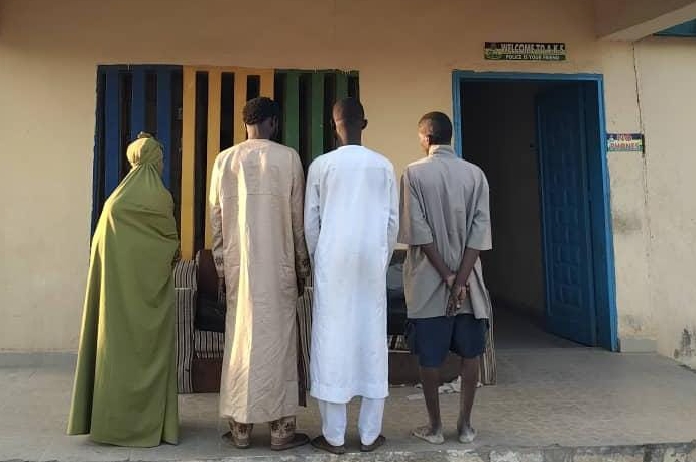
The Kano State Police Command has arrested a woman and three other suspects over the alleged abduction and murder of a 14-year-old boy in a plot reportedly aimed at ensuring that her son becomes the sole heir to his father’s properties.
KANO FOCUS reports that the police said the suspects were arrested in connection with alleged criminal conspiracy, abduction, causing grievous hurt and culpable homicide.
According to a statement issued on Tuesday by the Police Public Relations Officer, Abdullahi Haruna Kiyawa, the incident was reported on April 29, 2026, by a woman from Danbare Quarters, Kumbotso Local Government Area, who said her son, Mahmoud Auwal, had been abducted.
The victim, who lived in Sheka Quarters, was 14 years old at the time.
Kiyawa said operatives of the command’s Anti-Kidnapping Squad began an investigation following the directive of the Commissioner of Police, Ibrahim Adamu Bakori.
He said the investigation led to the arrest of a 20-year-old suspect, Muhammad Musa Isma’il, of Sharada Quarters, on November 3, 2026.
According to the police, the suspect confessed during interrogation that he had deceived and lured the victim on April 20, 2026.
He reportedly identified two other accomplices as Abubakar Muhammad Isah, 27, of Semegu Quarters, and Auwal Muhammad, 26, of Dan-Agundi Quarters, both in Kano.
The statement said the suspects allegedly conspired to kill the boy and abandoned his body at the scene.
The corpse was later recovered by police officers attached to Kwalli Division during a patrol and taken to the mortuary of Sir Muhammad Sunusi Specialist Hospital.
Kiyawa said further investigation led to the arrest of the alleged mastermind, identified as Hajiya Rukayya Auwal, 20, of Mararaba Quarters, New Karu Local Government Area of Nasarawa State.
The police alleged that the three male suspects claimed to have acted on her instructions.
The statement further alleged that the woman hired another group of thugs to attack Muhammad Musa Isma’il in Mararaba, Karu Local Government Area, in an attempt to silence him and prevent him from exposing the crime.
The police said preliminary findings indicated that the woman was a co-wife of the victim’s mother.
According to the statement, the alleged motive was to eliminate her husband’s four children so that her only son could eventually inherit his father’s properties exclusively, although the husband is still alive.
The command said the case would be charged to court upon the conclusion of the investigation.
The Commissioner of Police condemned the alleged crime and assured the victim’s family and the public that the command would ensure that justice was served.
He also urged members of the public to provide credible and timely information to assist the police in preventing and detecting crime.
Nasiru Yusuf Ibrahim
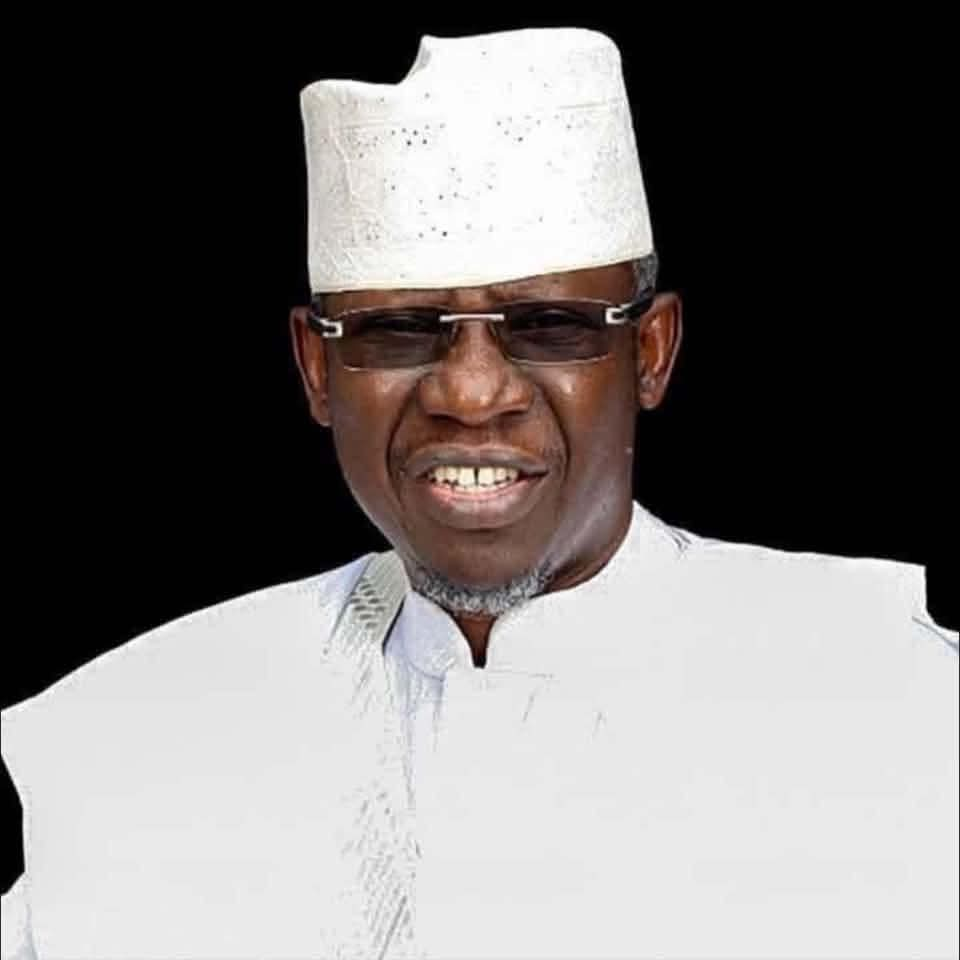
The Kano State governorship candidate of the African Democratic Congress (ADC), Ibrahim Ali Amin, popularly known as Little, has constituted a campaign council to coordinate the party’s activities ahead of the forthcoming governorship election.
KANO FOCUS reports that the council is expected to oversee campaign operations and mobilisation across the state.
In a statement announcing the appointments, Adnan Mukhtar, Director of Media and Strategic Communication, said Alhaji Aminu Labaran Baba had been appointed chairman, while Hon. Bala Yau Bayco would serve as Director-General.
Yusuf Mamman Bature was named secretary of the council.
Other appointments include Hon. Mamina Bako Lamido as Director of Contact, with Hon. Abdullahi Dalhatu Dan Kano as deputy.
Alhaji Nasir Tahir was appointed Director of Support Groups, while Hon. Aliyu Ibrahim Muhammad would serve as his deputy.
Mukhtar himself was named Director of Media and Strategic Communication, while Alhaji Nasiru Hussaini Agalawa was appointed Director of Finance.
Other members include Hon. Magaji Yau Indabawa, Director of Public Affairs; Abba Abdulhadi Kofar Waika, Director of Youth Mobilisation; and Naja’atu Tasiu Abbas, Deputy Director of Youth Mobilisation.
Hon. Sharu Garba Umar Gwammaja was appointed Director of Special Duties.
For women mobilisation, Aisha Ibrahim Hassan, popularly known as Humaira, was appointed director, while Zahra Ibrahim Aminu was named deputy director.
The council also appointed Aisha Ibrahim Captain as Deputy Director of Women Mobilisation for Kano South, Binta Sayyada for Kano Central, and Amina Mahmud for Kano North.
The statement said additional directorates and appointments would be announced later.
The campaign council is expected to coordinate the ADC candidate’s political outreach, strategic communication and grassroots mobilisation across Kano State.
Ibrahim Khalil
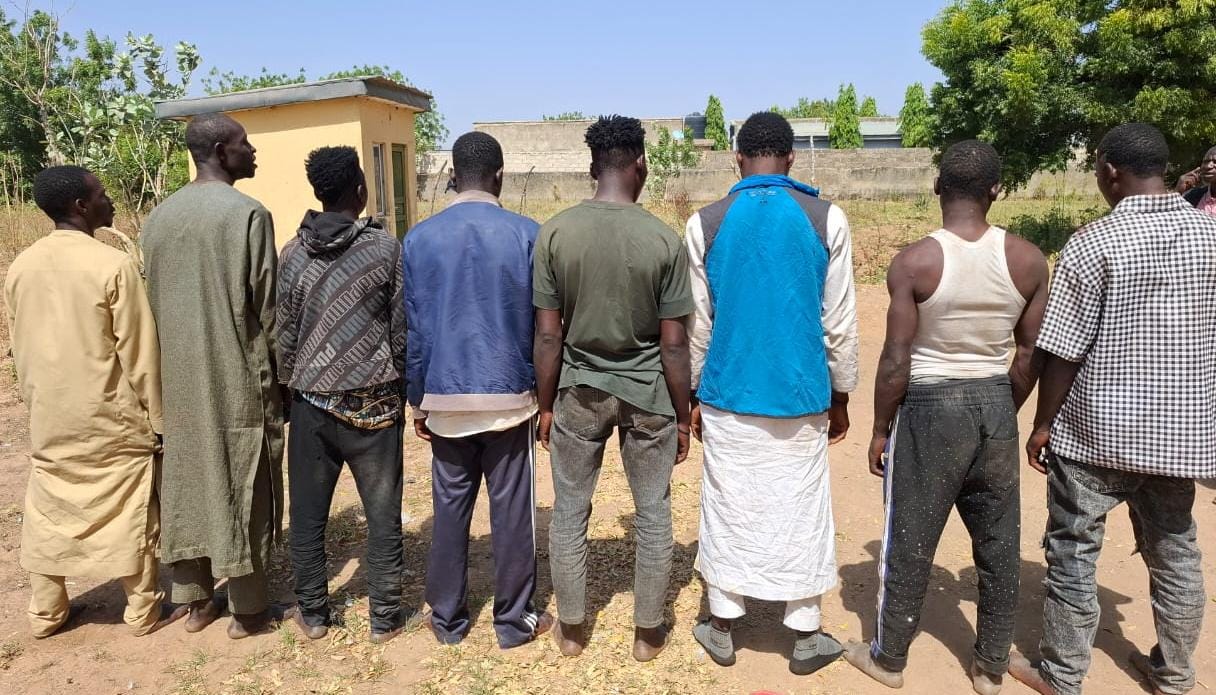
The Kano State Police Command has arrested eight suspects following a political clash between supporters of the All Progressives Congress (APC) and the New Democratic Congress (NDC) in Bichi Local Government Area.
KANO FOCUS reports that the clash, which occurred at about 4:45 p.m. on Sunday, November 15, reportedly resulted in the destruction of campaign banners, billboards and vehicles, as well as injuries to five people.
The police said normalcy had been restored in the area following the swift deployment of officers to contain the violence.
In a statement issued on Monday, the Police Public Relations Officer, Abdullahi Haruna Kiyawa, said 13 vehicles were vandalised during the incident, while five injured persons were taken to hospital for treatment.
He added that the police arrested eight suspects in connection with the clash and recovered dangerous weapons and other items.
The recovered items included a gariyo, two cutlasses, two hard sticks, a bottle of solution and a substance locally known as “Suck and Die”.
Kiyawa said the suspects had been transferred to the State Criminal Investigation Department (SCID), Bompai, for investigation and would be charged to court upon its conclusion.
The Commissioner of Police, Kano State Command, condemned the violence and destruction of campaign materials, warning political supporters against actions capable of disrupting public peace.
He said the command would not tolerate any breach of law and order before, during or after the political season.
The police commissioner also urged political activities to be conducted peacefully and in accordance with the law, stressing that no individual or group was above the law.
The command called on political leaders, party supporters and members of the public to shun violence and report suspicious activities to the nearest police station.
It said the situation in Bichi remained relatively calm, adding that security monitoring was ongoing.

Kano police arrest woman, three others over alleged murder of 14-year-old boy

Religious Identity Should Not Be a Test of Fitness for Public Office
Rejoinder to Sahara Reporters on the Appointment of Prof. Salisu Shehu as Executive Secretary of NERDC

ADC governorship candidate appoints campaign council in Kano

Police arrest eight over political clash in Bichi

Uganda woos Dangote for $billions oil refinery, fertiliser, salt investments

Governor Yusuf swears in six commissioners, three advisers, 19 permanent secretaries

Veteran NTA manager Dahiru Biso loses wife at 58

Gov Yusuf Joins APC Leaders at Kaduna Presidential Campaign Flag-Off as Kano Delegation Draws Attention

