
News
BUK Trains Journalists on Satellite Technology to Strengthen Climate Reporting

Nasiru Yusuf Ibrahim
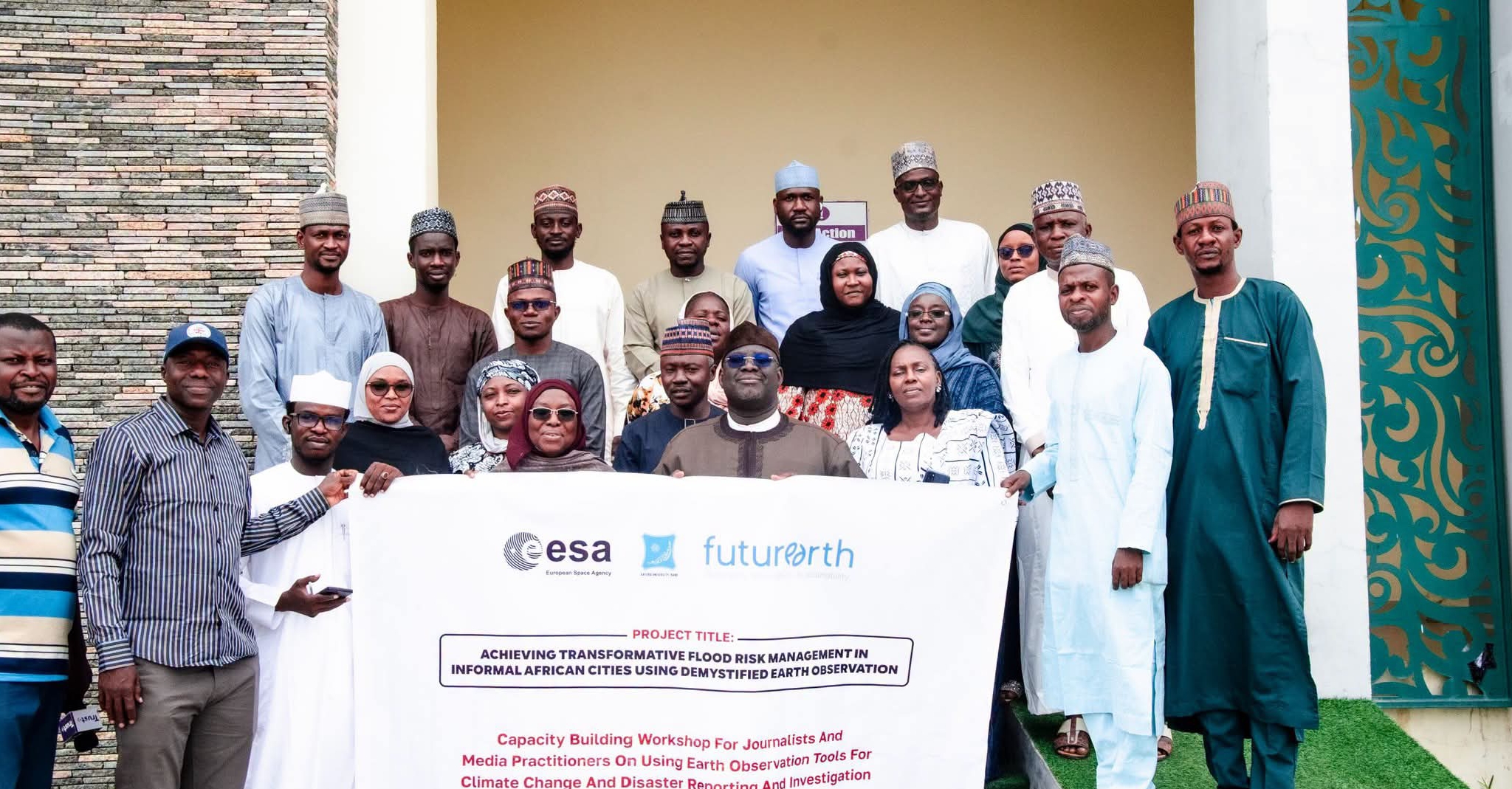
Bayero University, Kano (BUK), has trained journalists and media practitioners on the use of Earth Observation (EO) technologies to improve evidence-based reporting on climate change, disaster risk reduction and environmental sustainability.

KANO FOCUS reports that the capacity-building workshop, held on Monday at the university, brought together journalists, researchers and development partners to equip participants with practical skills in the use of satellite imagery, geospatial data and other Earth Observation tools for data-driven environmental reporting.
Speaking at the opening ceremony, the project team lead, Professor Aliyu Salisu Barau, said the growing impacts of climate change—including flooding, drought, desertification, deforestation, pollution and biodiversity loss—have made science-based journalism increasingly essential.
He said the media plays a critical role in informing the public, shaping policy debates and promoting accountability, stressing that journalists must rely on credible scientific evidence to produce accurate and impactful reports.
“Earth Observation technologies provide reliable, objective and continuously updated information about our changing environment. They enable journalists to verify facts, undertake investigative reporting, produce data-driven stories and communicate complex environmental issues through powerful visual evidence,” Mr Barau said.
He explained that the workshop was designed to introduce participants to practical Earth Observation platforms and geospatial tools for monitoring land-use changes, flooding, drought, water resources and other forms of environmental degradation.
According to him, wider adoption of the technologies by journalists would improve public awareness, strengthen disaster preparedness, enhance environmental accountability and contribute to climate resilience and sustainable development.
Also speaking, the Deputy Vice-Chancellor (Research and Development), Professor Amina Mustapha, described climate change as one of the most pressing development and security challenges confronting Northern Nigeria and the wider Sahel region.
She noted that the shrinking Lake Chad, advancing desertification, deteriorating rangelands and increasingly unpredictable weather patterns continue to threaten livelihoods, food security and economic stability across the region.
Mrs Mustapha urged journalists to devote greater attention to environmental issues affecting Nigeria instead of focusing predominantly on climate disasters in other parts of the world.
“The media serves as the bridge between scientific knowledge and public understanding. You have the responsibility to translate scientific evidence into stories that influence policy, shape public behaviour and hold governments and institutions accountable,” she said.
She also encouraged journalists to embrace investigative and solutions-oriented reporting by documenting the experiences of vulnerable communities and scrutinising the management of environmental and ecological resources.
“Climate change is not merely an environmental issue; it is a development issue, a justice issue and a human security issue. The stories you tell can inspire action, strengthen resilience and drive sustainable development,” she added.
Mrs Mustapha reaffirmed Bayero University’s commitment to supporting journalists through collaboration with its researchers, laboratories and research centres to ensure scientific findings are translated into public knowledge and policy action.
In a virtual presentation, the Research Coordinator and European Space Agency (ESA) Liaison for Future Earth, Freya Muir, highlighted the role of Earth Observation technologies in improving climate modelling, environmental monitoring and evidence-based decision-making.
The workshop, themed “Earth Observation Journalism, Disaster Risk Reduction and Climate Change Communication,” featured practical sessions on the use of satellite imagery, remote sensing and geospatial data for climate and environmental reporting.
Participants described the training as timely and relevant, pledging to apply the knowledge acquired to produce accurate, evidence-based reports while combating misinformation and disinformation on climate change and other environmental issues.










Hauwa Umar
The Nigerian Communications Commission (NCC) has introduced a device verification platform to strengthen regulatory compliance, protect consumers and curb the circulation of counterfeit, cloned and unauthorised communication devices in Nigeria.
KANO FOCUS reports that the commission said the NCC Device Checker Platform would enable consumers to verify the regulatory approval status of SIM-enabled devices before purchasing them, while helping ensure that devices connected to Nigerian telecommunications networks meet established technical standards.
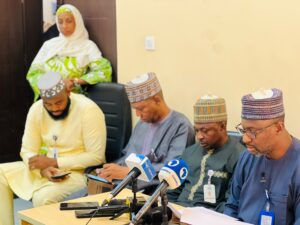
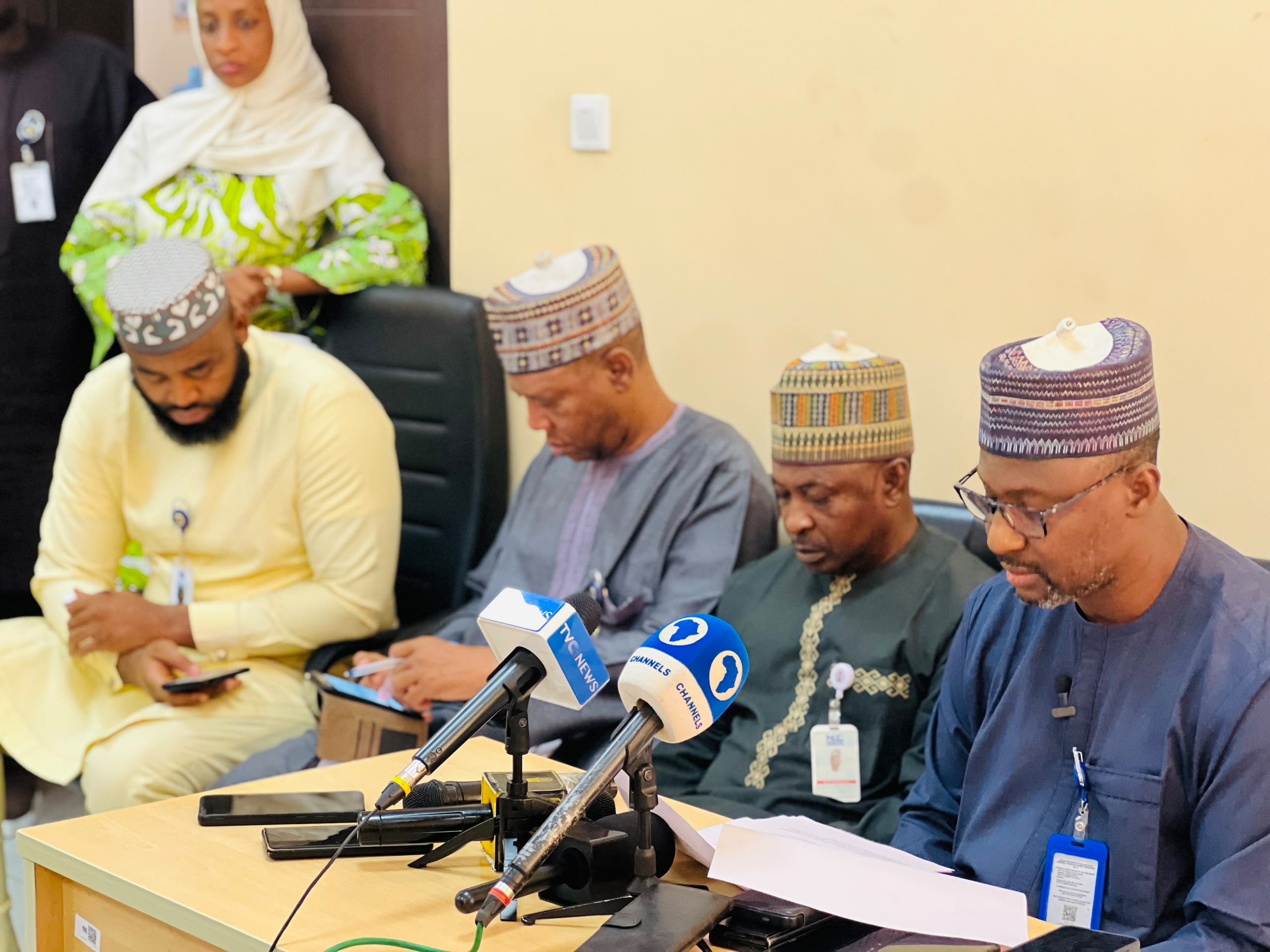
The Kano Zonal Controller of the NCC, Engr. Maigana Gidado, disclosed this on Thursday during a media briefing at the commission’s zonal office in Kano.
Engr. Gidado said the initiative was part of the commission’s efforts to strengthen Type Approval compliance and improve the integrity of communication devices used on Nigerian networks.
According to him, the commission has made progress in implementing the initiative through the regularisation and licensing of device dealers, as well as sensitisation engagements with importers and other industry stakeholders.
He said the commission had streamlined its licensing and regularisation processes, enabling a significant number of device dealers in Kano State to obtain licences.
The NCC had also conducted stakeholder sensitisation engagements in Lagos and other parts of the country to improve awareness of Type Approval requirements and obligations under the Device Checker framework.
“These initiatives have strengthened accountability across the device supply chain and improved compliance with regulatory requirements,” he said.
Engr. Gidado added that the commission had developed a user-friendly Device Checker application that allows authorised stakeholders to scan device International Mobile Equipment Identity (IMEI) numbers and upload information directly to the platform.
He said the application was designed to simplify compliance procedures, improve efficiency and make the verification process more accessible to relevant industry participants.
The zonal controller urged consumers to verify the status of devices before purchasing them through the commission’s *Check Your Device* portal at [www.ncc.gov.ng/devicechecker](http://www.ncc.gov.ng/devicechecker) by entering the device’s IMEI number.
He also directed manufacturers, importers, distributors and dealers to consult the Type Approval and Device Verification Guide available at [www.ncc.gov.ng/DeviceCheckerGuide](http://www.ncc.gov.ng/DeviceCheckerGuide) to understand their responsibilities under the regulatory framework.
According to him, organisations seeking Equipment Type Approval can access the relevant application requirements and procedures through the Type Approval section of the commission’s website.
Engr. Gidado, however, clarified that the Device Checker Platform was not a surveillance tool and would not access users’ personal data, messages, photographs, contacts, financial information or other private content stored on their devices.
He explained that the platform’s purpose was limited to device identification and verification of regulatory compliance.
The NCC urged consumers to patronise reputable and licensed dealers and take advantage of its online resources to make informed purchasing decisions.
It also encouraged industry stakeholders to familiarise themselves with the commission’s Type Approval requirements and ensure full compliance.
Engr. Gidado said consumers requiring assistance or wishing to lodge complaints could contact the commission through its 315 toll-free consumer line.
He reaffirmed the NCC’s commitment to consumer protection, fair competition and network integrity, adding that the commission would continue to promote a trusted communications ecosystem in Nigeria.

Suspect returned to Kano to face investigation, prosecution
Nasiru Yusuf Ibrahim
The Kano State Multi-Agency Task Force on Drug Abuse and Illicit Trafficking has arrested a suspected gang leader and sponsor, Ishaq Lawan Ibrahim, popularly known as Malam Keya, in Port Harcourt, Rivers State.
KANO FOCUS reports that the 27-year-old suspect, from Yelwa in Dala Local Government Area of Kano State, is accused of sponsoring violent gang clashes that have claimed lives and heightened insecurity in parts of the state.
The task force disclosed this in a statement, saying the suspect was arrested following intelligence-led operations after allegedly fleeing Kano as security operations against gang violence intensified.
According to the statement, operatives tracked him to Port Harcourt and arrested him in an operation led by the task force’s Head of Operations, CSP Bashir Gwadabe. He has since been returned to Kano.
The task force alleged that Malam Keya played a leading role in orchestrating and financing hoodlums involved in violent attacks in Dala and other affected communities.
The areas reportedly affected by the gang violence include Jakara, Madigawa, Yalwa, Sanka, Kul Kul, Dogon Nama, Kukar Bulukiya, Dala, Shatsari and Dandalin Turawa.
Confirming the arrest, the task force chairman, Barr Muhuyi Magaji Rimin Gado, said the operation demonstrated the agency’s determination to pursue suspected sponsors of violence beyond Kano State.
“Let me assure you that those who bankroll violence should know that no distance, and no hiding place, will protect them. This arrest is only the beginning. We will not rest until peace is fully restored,” he said.
The task force said the suspect remained in custody for further investigation and would be prosecuted upon the conclusion of the investigation.
It added that its operations would continue in accordance with the law, with all suspects entitled to due process.
The agency also pledged to sustain efforts to dismantle criminal gangs, identify their alleged sponsors and disrupt drug supply networks linked to criminal activities.
It urged residents, community and religious leaders, parents and youths to support security efforts by reporting suspicious persons and activities, monitoring their neighbourhoods and discouraging young people from being recruited into criminal gangs.
The task force described public cooperation as essential to restoring peace and security across the state.
It also acknowledged the support of the Kano and Rivers state police commands and other law enforcement agencies in the operation.
Ibrahim Khalil
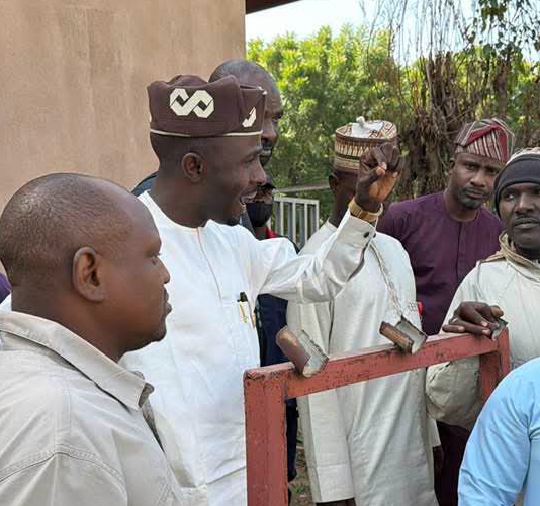
The Kano State Small Towns Water Supply and Sanitation Agency (KASSTOWA) has strengthened security at Joda Waterworks to prevent vandalism, theft and unauthorised access to the facility.
KANO FOCUS reports that the agency disclosed this in a statement issued on Wednesday, following an assessment visit to the waterworks by its interim managing director to evaluate the security situation.
According to the statement, additional security personnel have been deployed to protect the facility and ensure uninterrupted water supply.
The agency said the measure was part of efforts to safeguard critical water infrastructure and protect public assets from potential threats.
It added that the intervention aligned with the commitment of the administration of Governor Abba Kabir Yusuf to protecting government facilities and ensuring the delivery of essential services, in collaboration with the state’s Ministry of Water Resources.
KASSTOWA also emphasised the importance of inter-agency collaboration in strengthening infrastructure protection.
The agency called on community leaders, traditional institutions, youth organisations and residents to remain vigilant, report suspicious activities and cooperate with security personnel deployed to the facility.
It stressed that protecting water infrastructure was a shared responsibility requiring the cooperation of government agencies and host communities.

NCC introduces device checker to curb counterfeit phones, protect consumers

Kano Task Force Arrests Suspected Gang Sponsor ‘Malam Keya’ in Rivers

Kano water agency strengthens security at Joda waterworks

Kano Police foil kidnap plot, arrest two suspects in Gezawa

Sheikh Masussuka’s killing: why sectarian blame must not replace justice

Kano must make government procurement work for made-in-Kano

Indonesian scholar proposes waqf model to reform almajiri education in Nigeria

Nigeria’s Data Demand Surges 47% as Stakeholders Seek Fresh Investment in Digital Infrastructure

Kano Settles N32bn Pension, Gratuity Liabilities, Says Gov Yusuf

