
Headlines
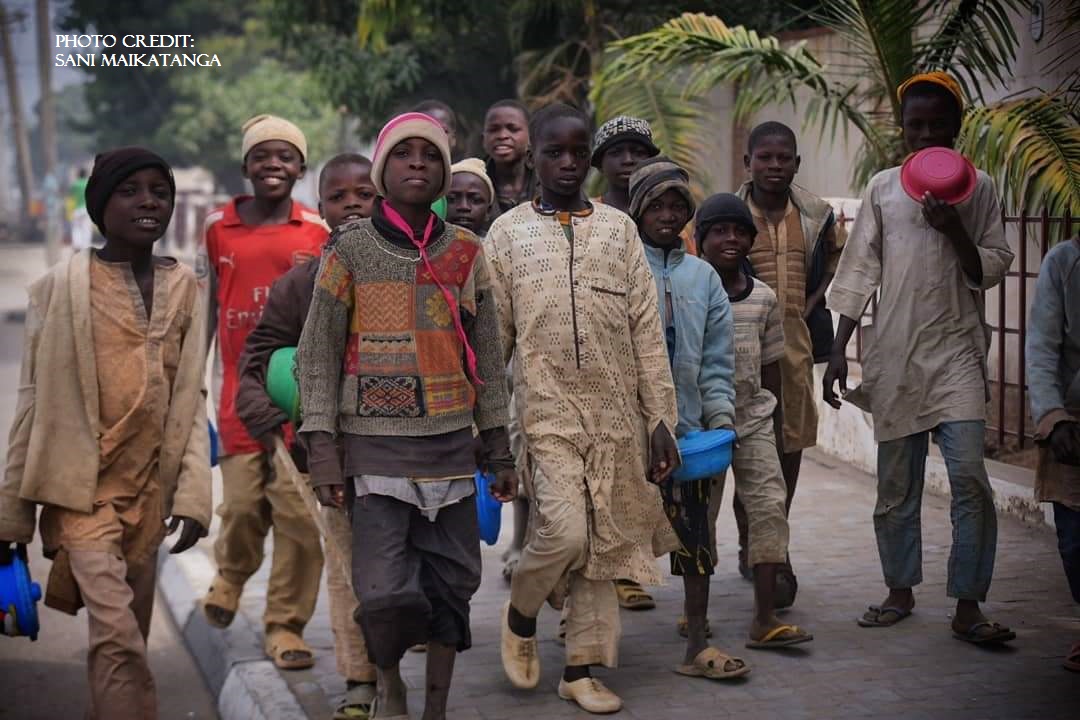
COVID-19: 28 Almajirai repatriated to Kano test positive–Official

Nasiru Yusuf
The chairman of Kano state Task Force on the relocation of almajirai to their states of origin Murtala Garo says 28 out of 1,146 kids brought to Kano from other states have tested positive for COVID-19.
Mr Garo, who is also the state Commissioner for local governments, said 311 other Almajiris were also diagnosed with illnesses like fever, malaria, stomach pain among others.
He made the revelation on Wednesday at the State Task Force on COVID-19 media briefing, held at Africa House, Government House, Kano.
“Your Excellency we took 419 Almajiris to Katsina state, 524 to Jigawa state, 155 to Kaduna state, 38 to Bauchi state and 36 to Gombe state. While we received 179 Almajiris from Adamawa state, 220 from Nassarawa state, 96 from Gombe state, 18 from Katsina, 92 from Kaduna state.

“Out of the 1,146 Almajiris who were tested for COVID-19, 28 of them were tested positive. While 311 were identified with other illnesses like fever, malaria, stomach pain among others. And also over 1,000 Almajiris were arrested roaming about the streets in the metropolis,” the commissioner revealed.
Mr Garo further disclosed that, 723 Almajiris, who are indigenes of Kano state, brought from other states, have been taken to their parents, and would be enrolled to new schools designed to for them.
Crying for home
In his address Mr Ganduje said, henceforth all almajiri schools in the state must comply with the state’s free and compulsory primary and secondary schools education policy.
The governor vowed that all children either Almajiri or non-Almajiri must be in formal schools.
He lamented that some of those Almajiri were even crying, to be taken to their parents.
“Those of them that were Kano indigenes and brought from other states, are being quarantined. Those that are found negative for COVID-19 we take them to their parents. While those that are positive we take them to Isolation Centre.
“We also said whoever insists to run Almajiris school he must follow the guidelines we put in place for running an Almajiri school. Parts of the guidelines include, that, school must have a curriculum which must integrate conventional fields of study, like English, Mathematics and Craft training.”
“Teachers must provide pupils with decent accommodation, good feeding system, they must have qualified teachers, there must be a system of evaluation and control, like quality assurance and there must be system of examination among other guidelines,” Mr Ganduje said.
The governor clarified that, the process was not meant to strip Almajiri teachers off their tutorship, but to integrate them into the mainstream teaching program of their pupils with new set of mentoring system, as teachers.
“Some of those Alarammas (Almajiri Teachers) are being employed and we are going to use them in the schools we are commissioning specifically for Almajiris. We are therefore calling on others to come forward and be recruited to teach in those schools,” the governor revealed.
Decline in COVID-19 cases
On COVID-19, Mr Ganduje revealed that the state is witnessing a decline in the spread of the disease.
He attributed the development to Allah’s intervention and commitment of front line health workers, journalists, traditional and religious leaders among other stakeholders.
“Though we are aware that there is no definite time for the pandemic to leave us completely, but the success story for all of us here is, we are witnessing a decline in the spread of the disease in Kano state.”
“While we should learn to always optimise our compliance with the protocols, we also understand that there are areas that we must strengthen our strategies towards them. Areas like community engagement, is absolutely necessary.
“Our health workers are doing their best and we promise to protect them all the time. So that all the necessary items/equipments needed must be provided as you are all witnessing. Things like Personal Protective Equipments (PPEs) among others.
“We understand that face mask wearing has not gone down to grassroots. So we are producing more Masks through our local tailors, that will help in getting them to grassroots,” he said.





Ibrahim Khalil
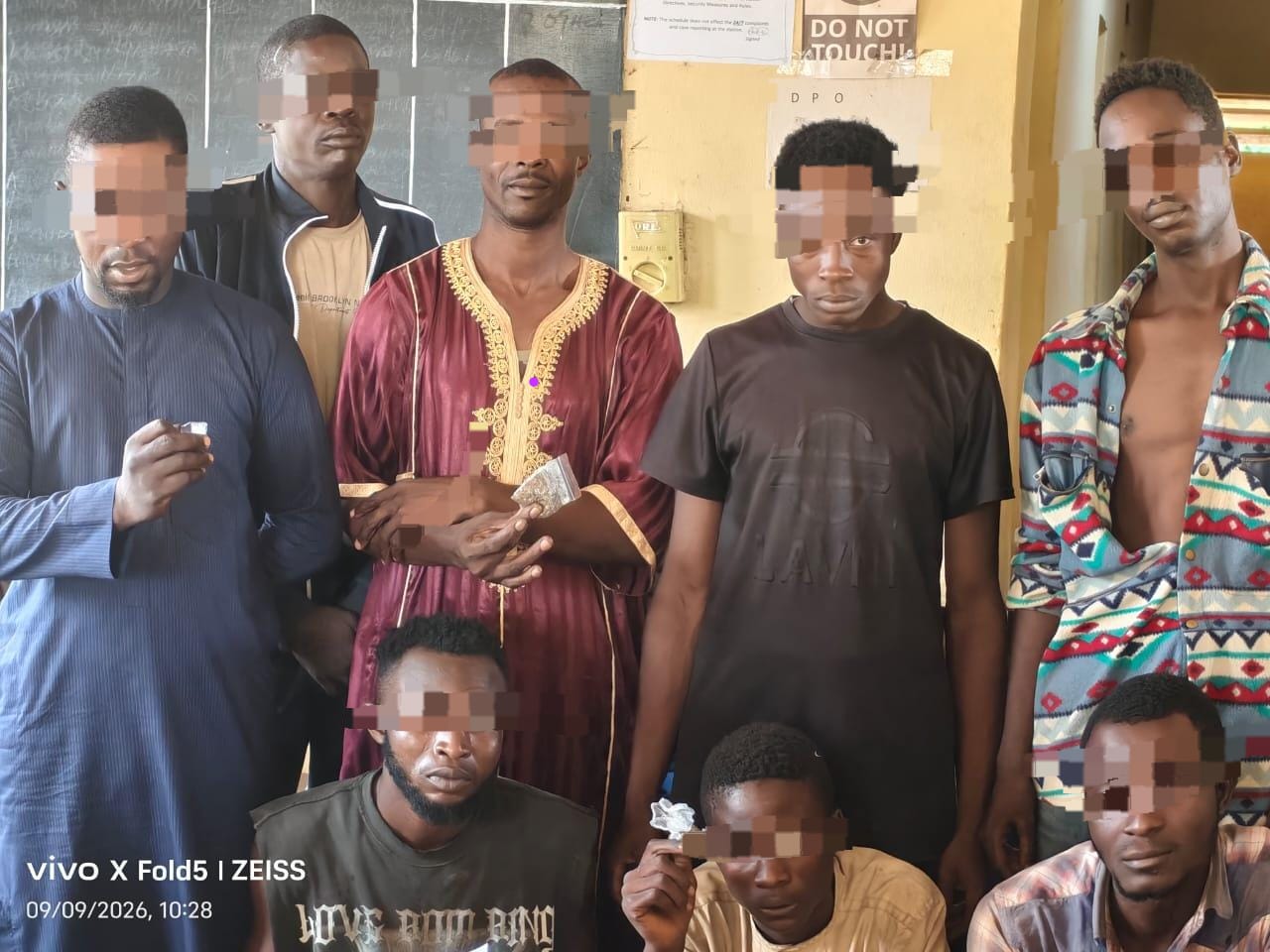
The Kano State Police Command has arrested eight suspects in separate operations targeting drug peddling and thuggery in Panshekara and Kunchi/Ghari Local Government Area.
KANO FOCUS reports that the command disclosed this in a statement issued on Thursday by its spokesperson, CSP Abdullahi Haruna Kiyawa, on behalf of the Commissioner of Police, Ibrahim Adamu Bakori.
According to the statement, the operations, conducted on September 9, 2026, were part of the command’s intelligence-driven efforts to tackle drug abuse, thuggery and violent crimes across the state.
It said operatives of the Surveillance Team attached to Panshekara Police Division, acting on credible intelligence at about 2:30 p.m., intercepted eight suspects, including a 21-year-old man identified as Samson Yakubu of Samegu Quarters, at a suspected criminal hotspot.
A search of the suspects reportedly led to the recovery of 15 Pregabalin capsules, five Diazepam tablets, 10 Exol tablets and some quantity of dried leaves suspected to be Indian hemp.
The police said the suspects were in custody and undergoing interrogation, while investigations were ongoing to establish the source of the suspected illicit drugs and identify other members of the alleged syndicate.
In a related operation conducted between 1 p.m. and 9 p.m. the same day, operatives of the Kunchi/Ghari Division carried out a coordinated market patrol and raid at Matanfada Market.
The command said the area had been identified as a place where youths allegedly intimidate traders and residents during market sessions.
Five suspects were arrested during the operation. They were identified as Abdullahi Isah of Dustin; Haruna Isah of Daqarawa Village; Habu Badamasi of Dan Taimu Village; Gambo Ya’u of Kura Village; and Abubakar Dahiru of Farau Village.
The police said investigation was ongoing to identify and arrest other suspected accomplices, while exhibits recovered during the operation had been taken into custody as evidence.
CP Bakori commended the operatives for what he described as their professionalism and swift response, assuring residents that the command would sustain its operations against drug abuse, thuggery and other violent crimes.
“In line with the IGP’s policing vision and our mandate to ensure a safe and secure Kano, we will continue to be proactive,” the commissioner said.
“We are sending a clear message to criminal elements that Kano State will not be a breeding ground for their activities.”
The command also appreciated members of the public, community leaders and vigilante groups for providing information that aided the operations.
It urged residents to remain vigilant and report suspicious movements or activities to the nearest police station.
The command said all suspects would be charged to court after the conclusion of investigations.
Nasiru Yusuf Ibrahim
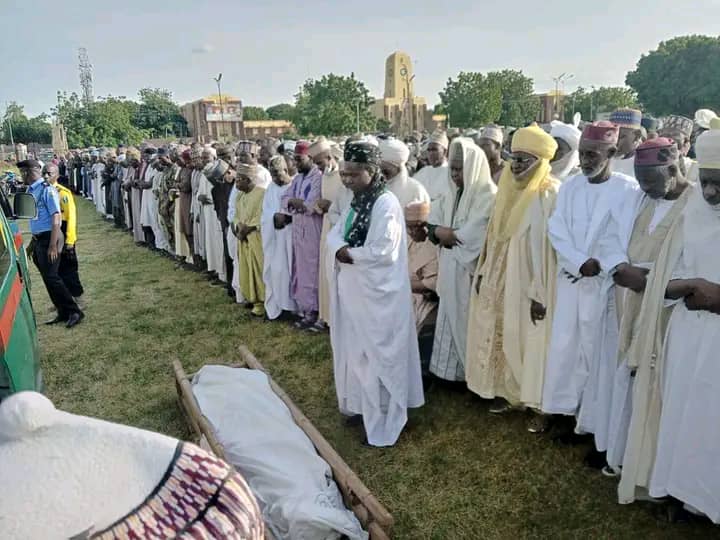
The funeral prayer for the late Shehu Kabir Bayero, Barde Kerarriya of Kano and District Head of Dorayi, was held on Thursday evening at Kofar Kudu, Kano Emir’s Palace.
KANO FOCUS reports that the prayer was led by the Chief Imam of Khamsus Salawati Mosque, Kofar Kudu, Malam Bello, and attended by hundreds of people from different parts of Kano State.
Among those who attended were the Secretary to the Kano State Government, Alhaji Umar Faruk; representative of the Emir of Kano, Matawallen Kano, Alhaji Aliyu Ibrahim Matawalle; Chief of Staff to the Kano State Government House, Dr Sani Wali; as well as district heads and members of the Muslim community.
Shehu Kabir Bayero died in a hospital in Egypt following a period of illness. He is survived by his wives, children and other relatives.
Until his death, the late Bayero served as Commissioner of Police in Gombe and Osun states before retiring from the Nigeria Police Force.
Following his retirement, the late Emir of Kano, Alhaji Ado Bayero, appointed him as the Barde Kerarriya of Kano and District Head of Takai Local Government Area after the death of his father, the late Kabir Bayero, an elder brother of the former emir.
He later served as District Head of Gwarzo.
Due to his wealth of experience in security matters, the current Emir of Kano, Khalifa Muhammadu Sanusi II, subsequently reassigned him as District Head of Dorayi, where he was expected to contribute to the sustenance of peace and security in the area.
The late district head was remembered for his service to the state and his experience in security and traditional administration.
May Allah forgive his shortcomings, have mercy on his soul and grant him Jannatul Firdaus. Ameen.
Nasiru Yusuf Ibrahim
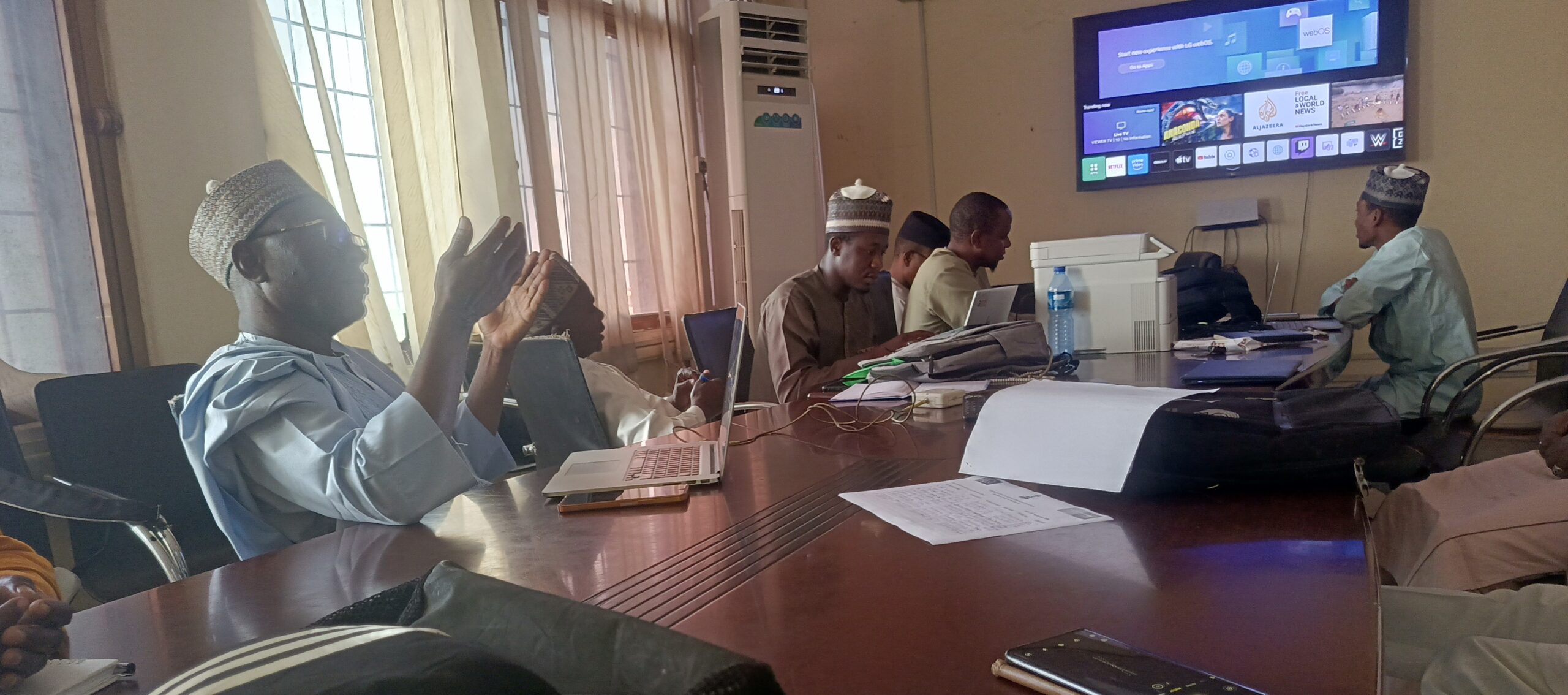
The Kano State Ministry of Education, with support from the United Nations Children’s Fund (UNICEF), has held a planning meeting on the implementation and effective utilisation of the Nigeria Learning Passport (NLP) in the state.
KANO FOCUS reports that the meeting brought together relevant stakeholders from various ministries, agencies and development partners working in the education sector.
According to Malam Naziru Sirajo, deputy director EMIS and statistics in the Ministry of Education, the meeting was aimed at reviewing the current status of the Nigeria Learning Passport in Kano and developing a coordinated plan to strengthen its implementation, content utilisation, course completion, monitoring of learners’ progress and certification.
The Nigeria Learning Passport is a digital learning platform designed to provide Nigerian children and young people with access to curriculum-aligned educational content, including lessons, learning materials and assessments.
The platform is also designed to support learning continuity, including for learners facing limited or intermittent internet connectivity, while providing teachers and education stakeholders with digital resources to complement classroom instruction.
In Kano, the initiative is expected to strengthen awareness and utilisation of digital learning, while building the capacity of master trainers and technical teams to support schools, teachers and learners in using the platform effectively.
The effective utilisation of the Nigeria Learning Passport is expected to expand access to quality digital learning resources, promote independent learning, strengthen digital literacy and support improved learning outcomes and greater equity in access to educational opportunities.

Kano Police Arrest Eight in Drug, Thuggery Raids

Funeral Prayer Held for Late Shehu Kabir Bayero

Kano holds planning meeting on implementation of Nigeria learning passport

Kwankwaso, Gov Yusuf, Amnesty International Condemn Killing of Ibrahim Khalil Dan Shagamu

Kano Police arrest two suspects over death of Ibrahim Khalil Danshagamu

Kano State Out-of-School Children Survey Report 2026: From Evidence to Impact — A Roadmap For Educational Development

Kano schools to resume Sunday for 2026/2027 academic session

From Grade Level 03 to Director: A 35-Year Journey of Resilience and Service

Justice Abdullahi Mahmud Bayero of Court of Appeal Dies in Egypt

